
Mop Flies – How to Fish Them
Probably one of, if not the most controversial fly (or lure) to hit the stillwater scene in years, the Mop Fly certainly has its critics.
Whatever you think of it, there is no denying that the Mop Fly catches fish. We sell hundreds of them here at Granite City Fishing, and there is a very simple reason for that — they work!
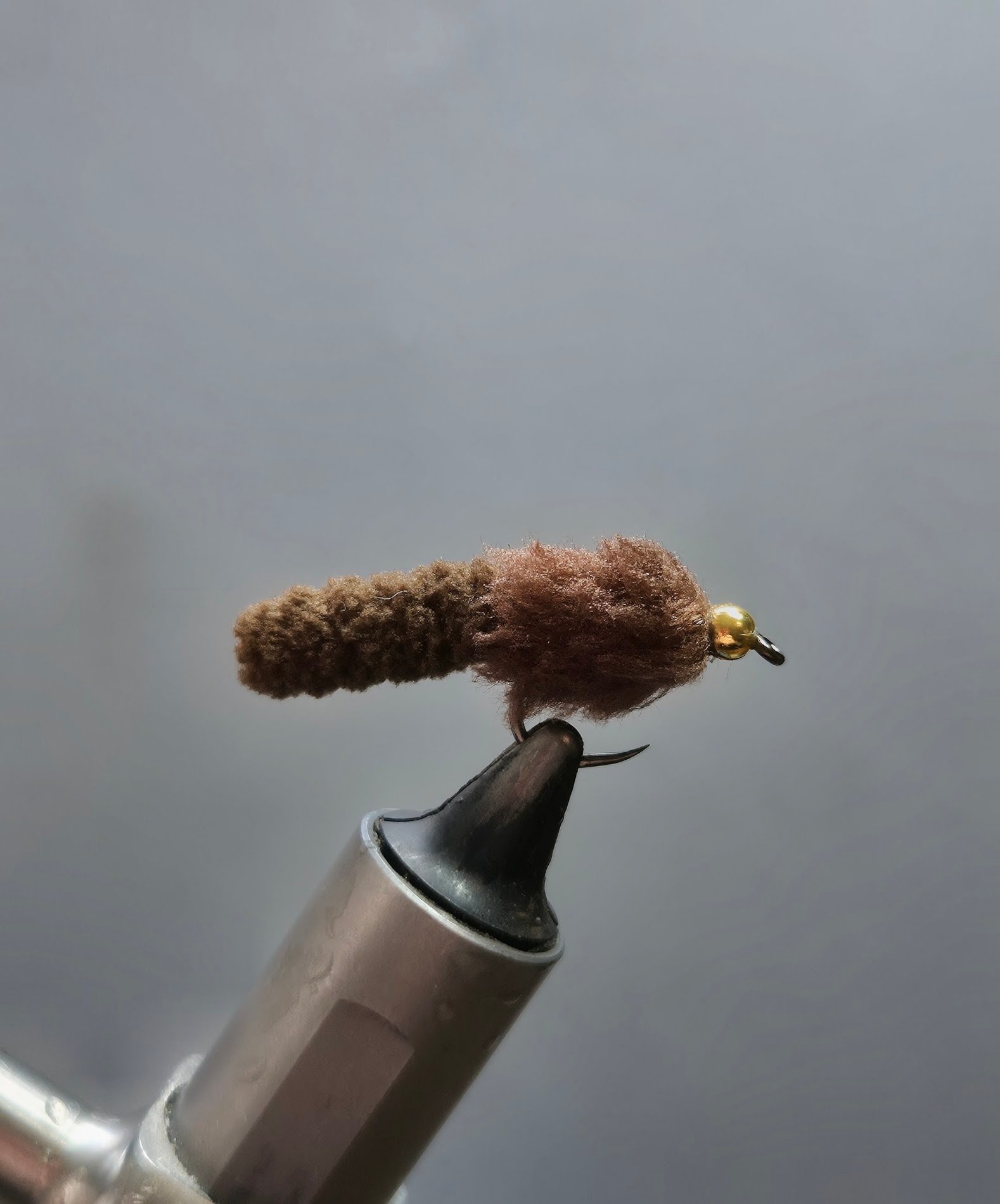
Fishing the Mop Fly is relatively straightforward, and it can be fished on almost any fly line, from a floating line right through to a fast-sinking line. You can fish it with anything from a very slow retrieve to a much faster retrieve, depending on the conditions and what the trout want on the day.

There are plenty of ways to fish a Mop Fly, but here are the methods we have found particularly effective.
Method 1 – Floating Line
1. Set up your leader
Use a floating line with a leader of around 4–5 ft, or longer if you prefer. The length is really down to what you feel comfortable casting and fishing.
2. Don’t be afraid to fish two flies
If the rules of the water allow it, you can fish more than one fly. We love pairing them up with, flies such as egg, Buzzers, Shimmer worms or something similar.
This gives you two very different options in the water. One fly acts as an attractor while the other offers a more natural presentation. If the trout aren’t interested in one, they may take the other — and sometimes the more subtle fly will produce the fish.
3. Let your flies sink
After casting, give your line a pull to straighten everything out. This helps keep you in contact with your flies and makes it easier to detect even the lightest of takes.
Then start your countdown.
Try 5, 10, 15, 20 or even 25 seconds before starting your retrieve. This allows the Mop Fly to sink through different depths of the water column.
If you get interest or a take at a particular countdown, repeat it. You may have just found the depth the trout are feeding at.
4. Try fishing it static
A Mop Fly can be extremely effective when fished static or with very little movement.
However, you need to be careful. Fishing a fly completely static can sometimes result in deep-hooked trout, particularly if you aren’t maintaining good contact with your flies.
Keep your line tight enough that you can see or feel even the gentlest of takes and be ready to strike.
Method 2 – Fishing the Bung
Fishing a Mop Fly under the bung can be absolutely deadly, so don’t dismiss it because you think a Mop Fly needs to be constantly moving — it really doesn’t!
1. Set your depth
Start with a leader of around 5–6 ft, with the Mop Fly positioned roughly 1 ft below the bung.
During the summer, trout can often be higher in the water, so don’t be afraid to start shallow. As the water cools and the seasons change, you may need to fish deeper.
As always, experiment until you find where the fish are feeding.
2. Start close in
After casting, don’t automatically head for the horizon!
Sometimes the trout are surprisingly close to the bank. Start by fishing relatively close in and gradually increase your casting distance after a few casts if you’re not getting any interest.
You might be surprised how close the fish can be.
3. Fish it static
Fishing a Mop Fly static under the bung can be fantastic fun and extremely effective.
However, there is an important point to remember: a static fly can increase the risk of deep-hooking fish.
To help reduce this risk, watch your bung carefully for the slightest movement and use as small and unobtrusive a bung as conditions allow. The better you can see subtle movements, the quicker you can react to a take.
4. Try the tweak
Another great way to fish a Mop Fly under the bung is to give the fly a small tweak every 10–20 seconds.
This adds a little movement to the fly and can be enough to trigger a following trout into taking.
It also keeps you more connected to the fly, helping you detect those gentle takes that can otherwise be missed when fishing completely static.
5. The slow figure-of-eight
Finally, try a slow or very slow figure-of-eight retrieve.
This is one of our favourite ways to fish the Mop Fly under the bung. You keep much better contact with the fly throughout the retrieve, making it easier to detect takes and reducing the amount of time the fly is sitting completely static.
Experiment and Find What Works
The great thing about the Mop Fly is its versatility.
Try different depths, retrieves, fly combinations and lines until you find what the trout want on the day.
Sometimes they will take a Mop Fly that is barely moving. Other days, a slow figure-of-eight or a more active retrieve can make all the difference.
And remember — whatever you think of the Mop Fly, the trout don’t seem to care about the controversy!
They just care about whether they want to eat it.