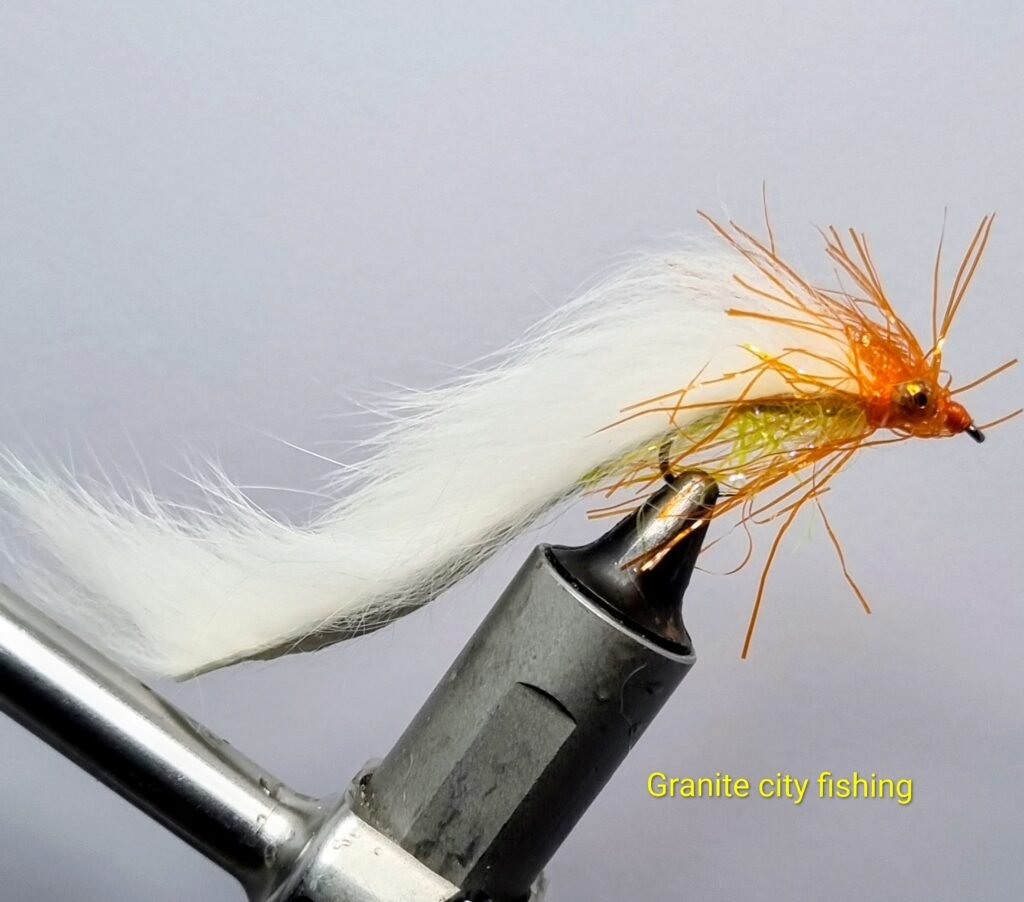
February – Stillwater Fly Selection
February stillwater fishing in the UK remains largely winter-driven, with cold water temperatures keeping fish movement slow and deliberate. While conditions are often challenging, consistent feeding opportunities do still exist with the right approach.
Subsurface food sources continue to dominate. Bloodworm remains one of the most important winter patterns on stillwaters, particularly in deeper water where fish are conserving energy. Slow, controlled presentations close to the bottom are often the most effective method at this time of year.
As daylight gradually increases, buzzer larvae and pupae can begin to play a slightly larger role, especially during milder spells. While full buzzer hatches are unlikely in February, small numbers of larvae and the occasional pupa can be enough to draw a response from fish, particularly in shallower areas or along margins that warm more quickly.
Fish behaviour in February has typically though of as being cautious but i disagree with this. I find in realy cold days (even ice on the water) or in the milder days the trout can swith one and be every aggressive feedes. Takes can be subtle, or they can be quite hard hitting. The depth control is critical get the right depth and you are on to a winner get it wrong and you might just blank. Slow retrieves, long pauses, and accurate presentation often prove far more effective but if docent work mix it up until you start hitting fish.
We have found that Buzzers, lures, and Egg flies are the best options when it’s cold, with buzzers and egg flies suspended under a bung/indactor resulting in our best catches.
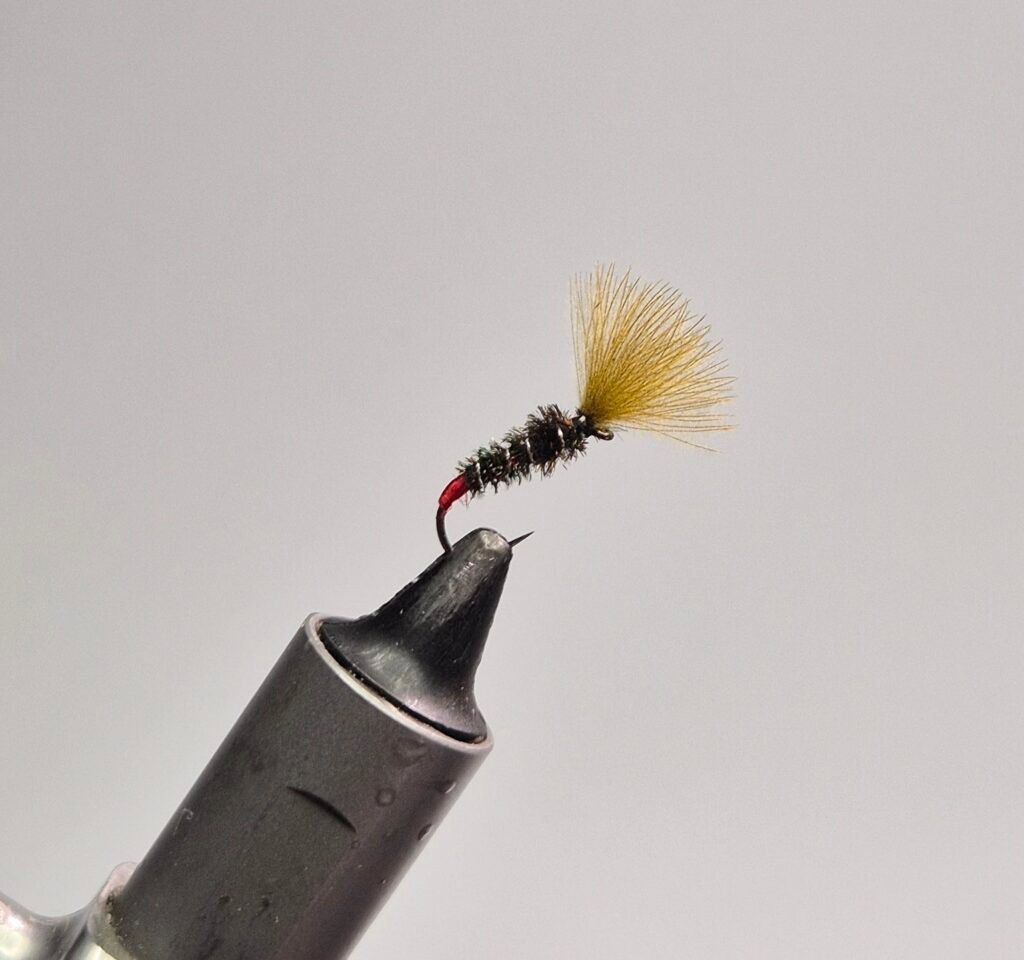
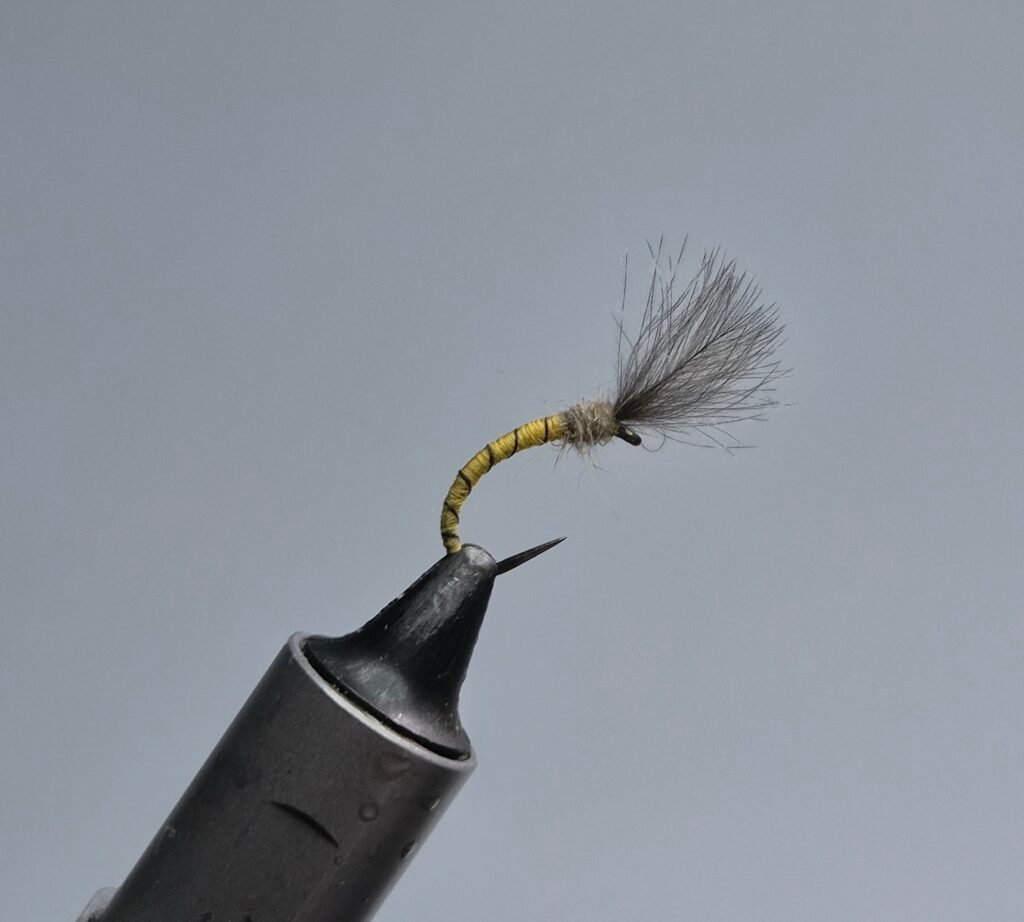
Recommended products
-
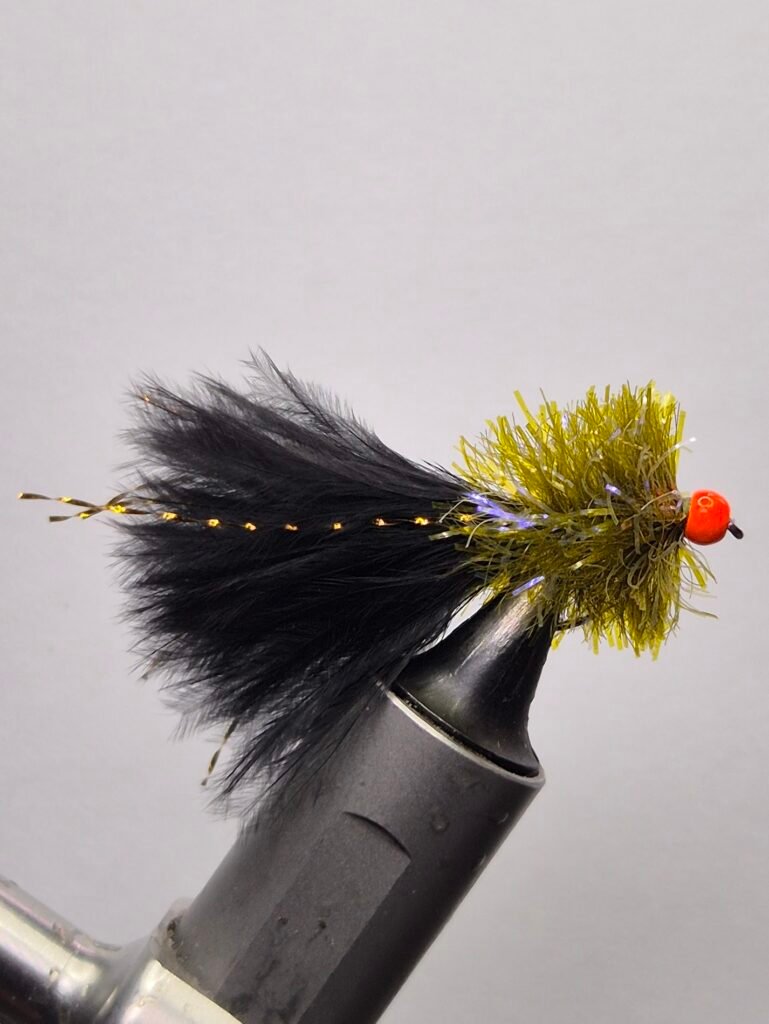
Ally McCoist Lure
£1.20 -
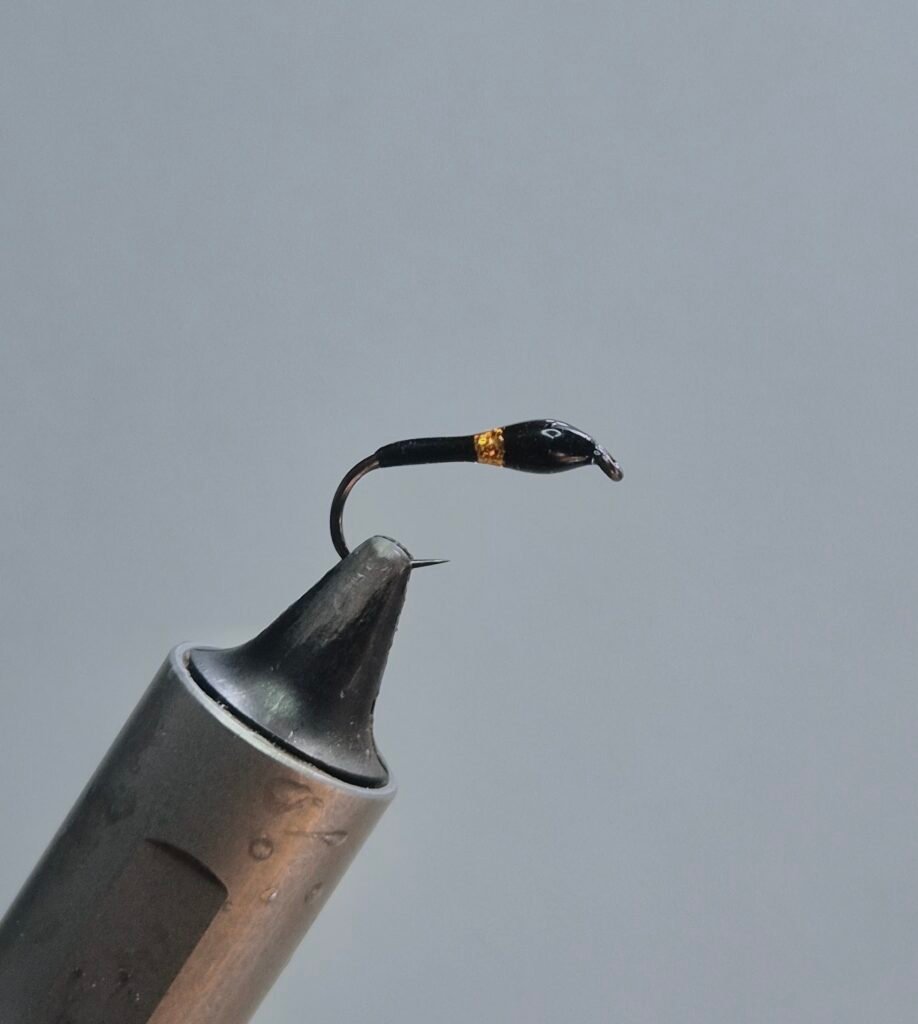
Gold Holographic Vicars Buzzer
£1.10 -
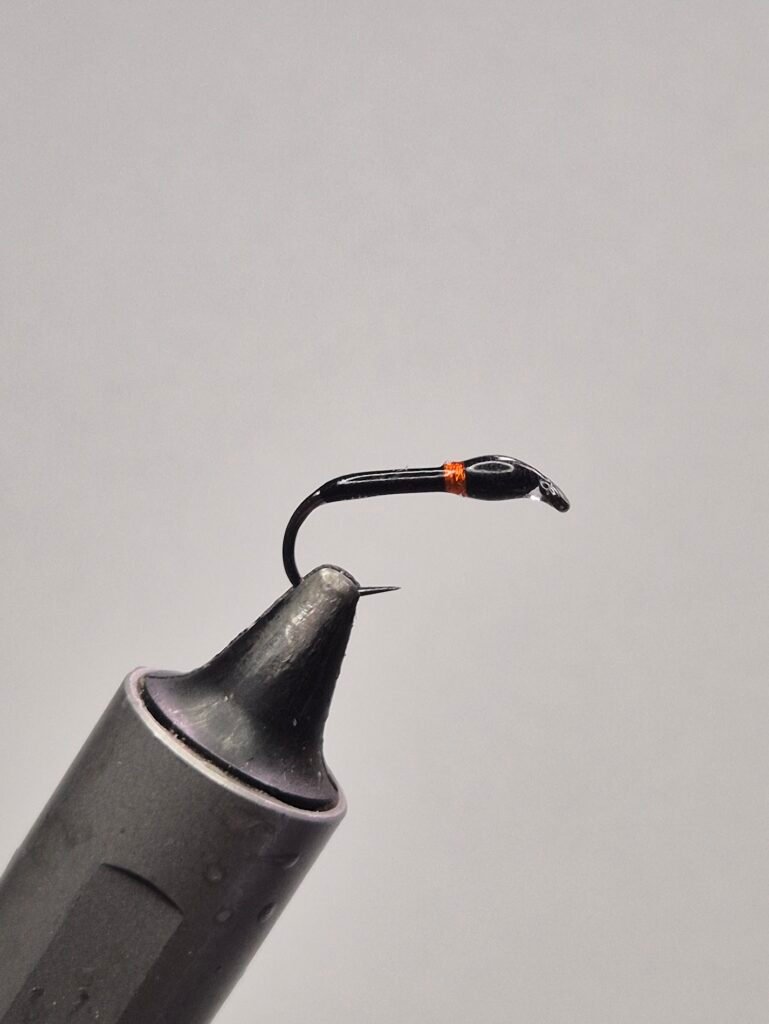
Orange Holographic Vicars Buzzer
£1.10 -
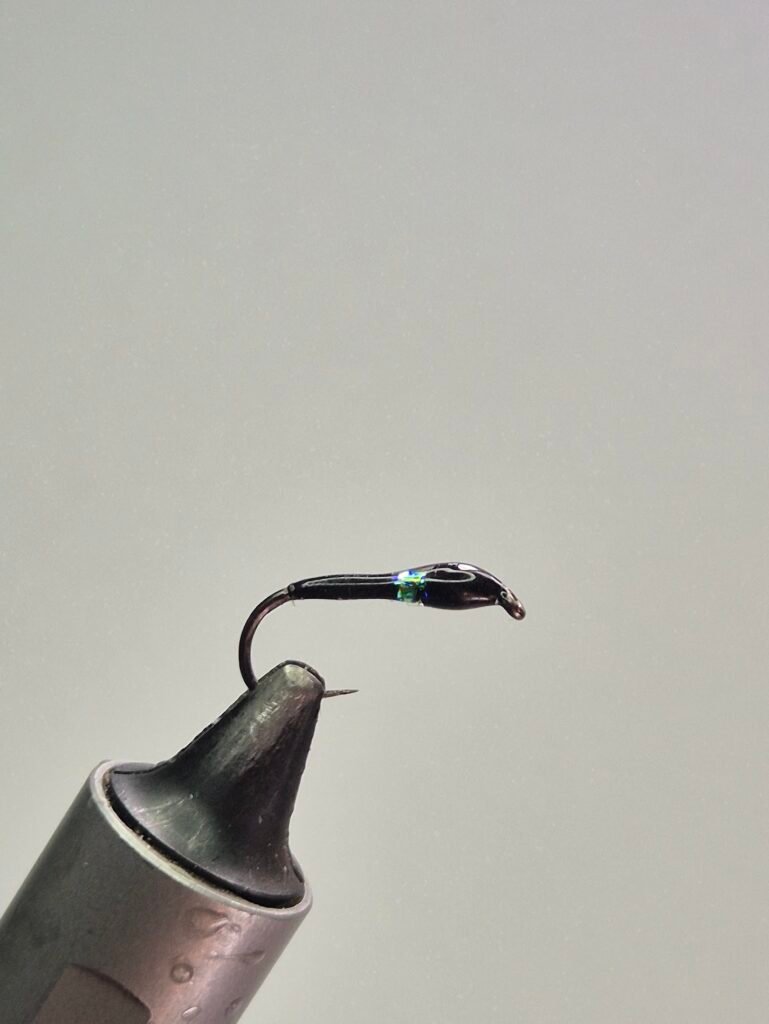
Green Holographic Vicars Buzzer
£1.10 -
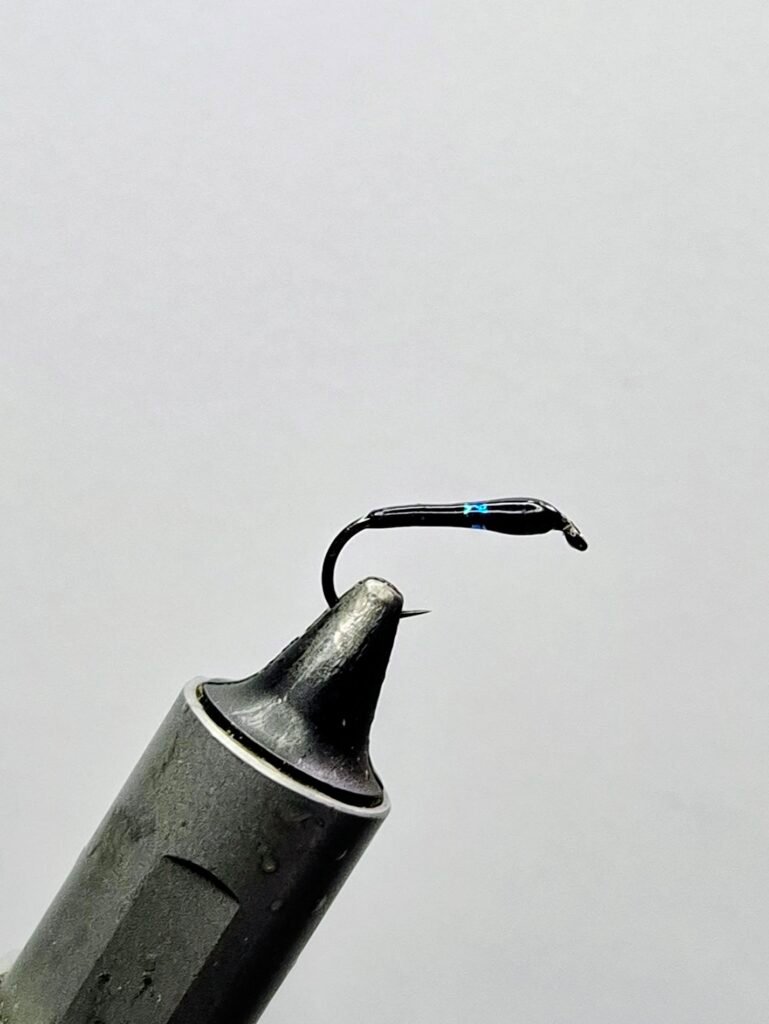
Blue holographic Vicars Buzzer
£1.10 -
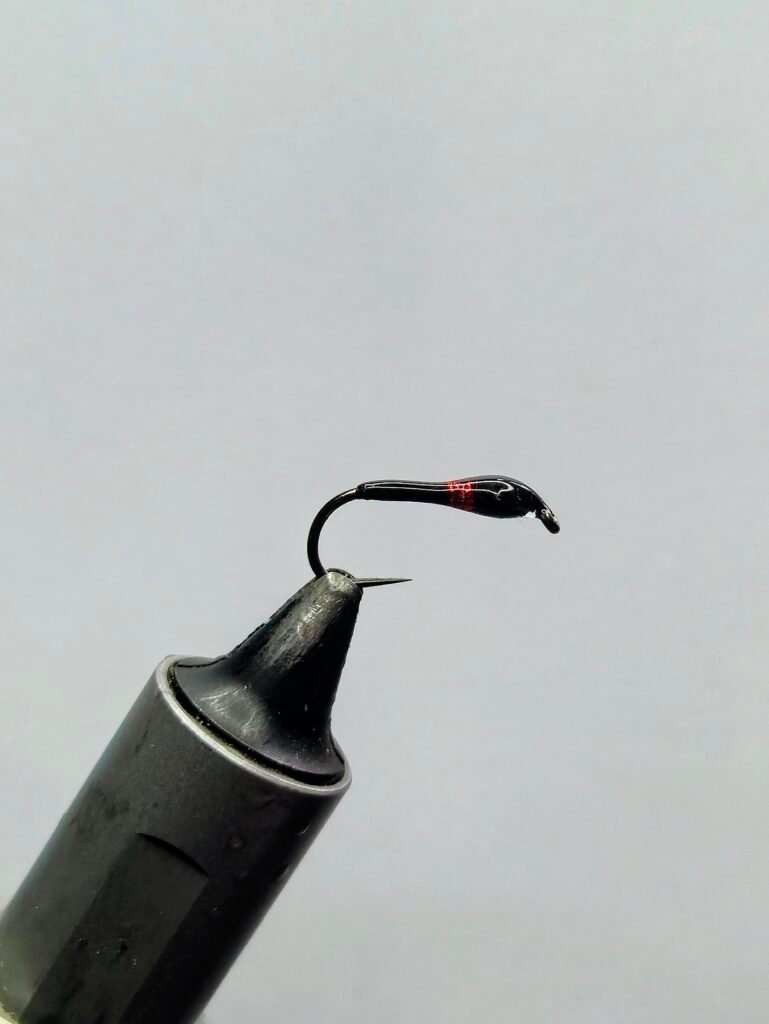
Red Vicars Buzzer
£1.10 -
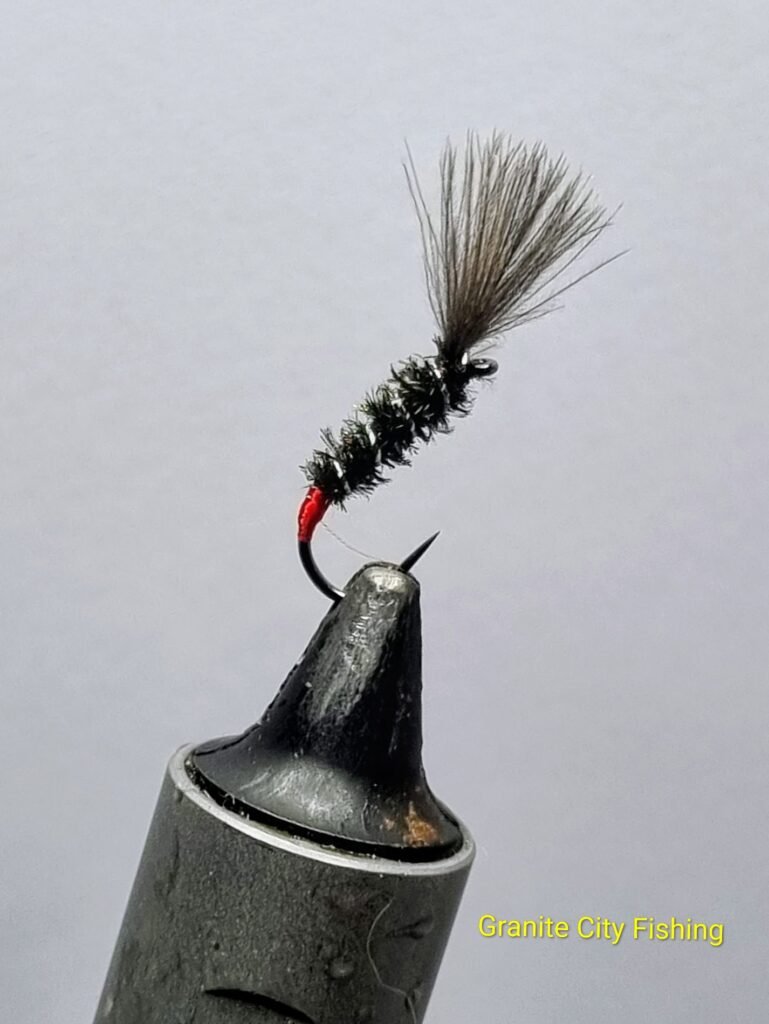
Black CDC Buzzer
£0.60 -
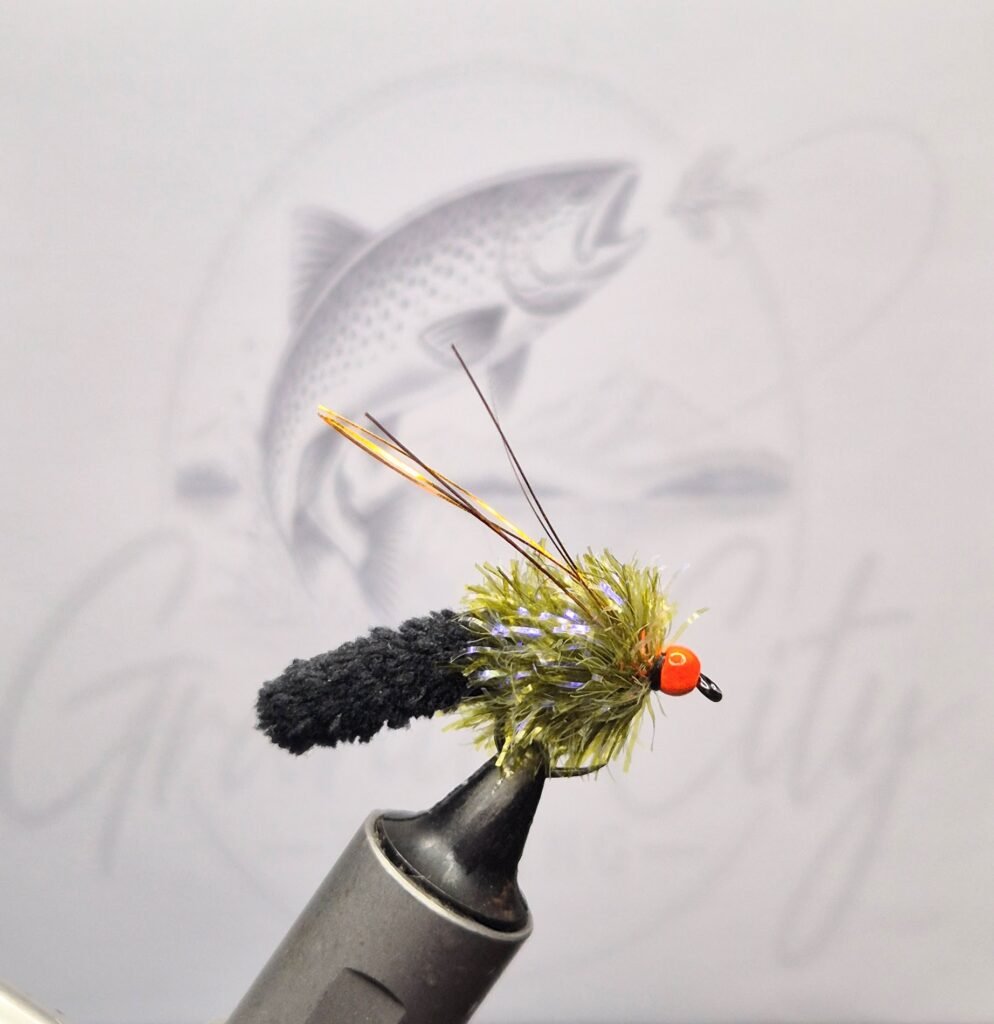
Ally Mop Fly – Barbless Trout Fly
£1.20