Welcome to another Granite City Fishing guide!
I’m Davie from Granite City fishing, and I’ve put together this guide for anyone looking to get out on the stillwaters during the colder winter months, particularly those who are new to winter fly fishing.
Winter fishing for stocked rainbow trout can sometimes be a little more challenging than fishing during spring and summer. As water temperatures drop, trout generally become less active, their metabolism slows down and they may not be as willing to chase a fly.
But don’t let that put you off!
One thing I always like to remind anglers is that winter fishing isn’t simply about putting a fly on the bottom and hoping for the best. Trout can be found at different depths, and even on the coldest winter days, you can find them feeding surprisingly high in the water.
In this guide, I’ll take you through some of the techniques, fly patterns and little things worth trying when heading out to a stocked stillwater during winter.
So, grab yourself a cuppa, get your fly box ready and let’s get started!
🐟 1. Winter Fishing Techniques
When winter arrives, one of the first things I’d suggest is slowing everything down. Trout aren’t always prepared to chase a fast-moving fly, so a slower and more natural presentation is often worth trying.
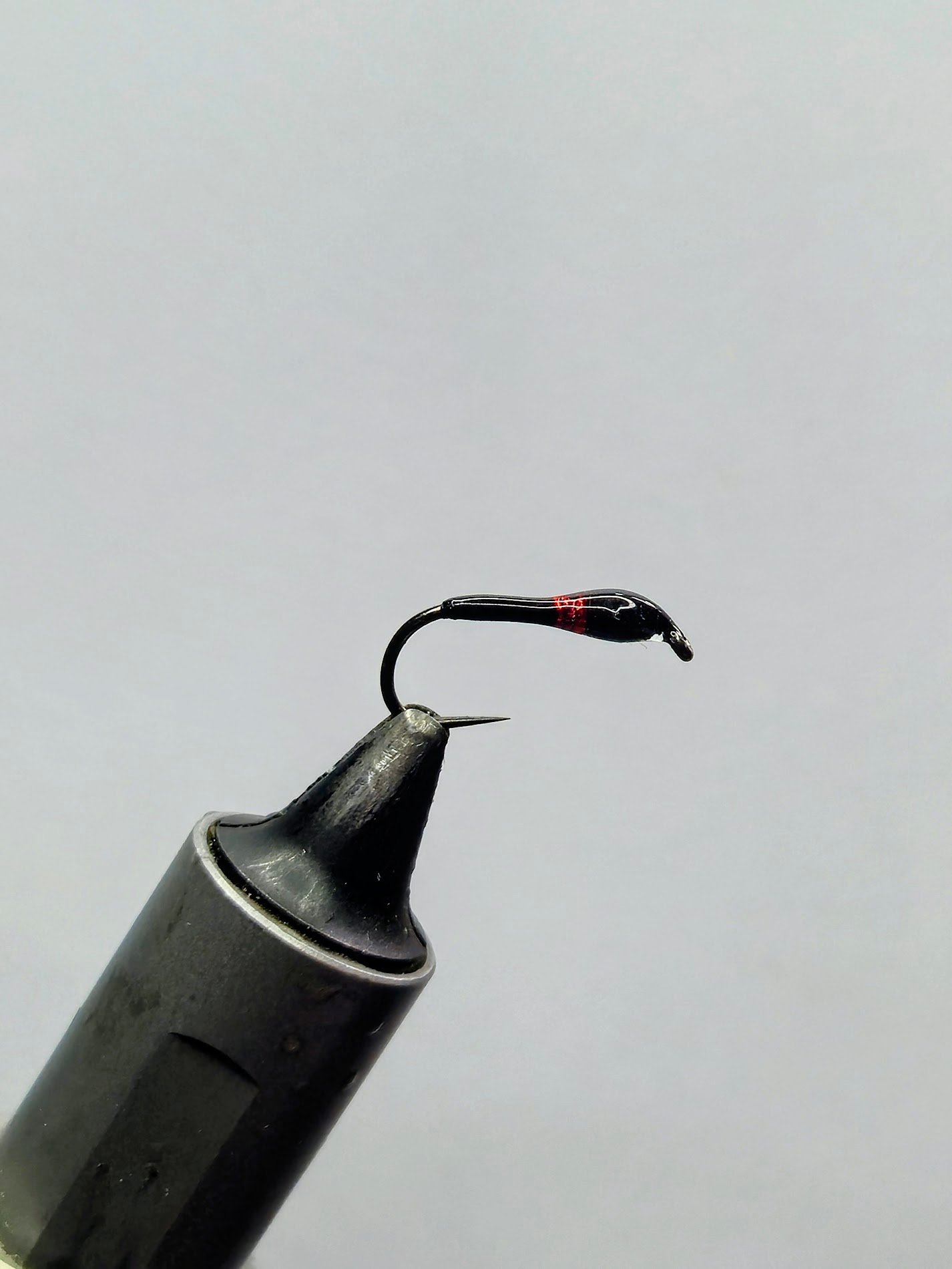
The Static Buzzer / Bung Method
This is a great method for beginners and one I’d certainly recommend having a go at.
Using a floating line, suspend a lightweight nymph, bloodworm or buzzer beneath a foam indicator, commonly known as a bung.
As a starting point, try fishing around 5–6 feet deep in shallower areas, increasing to 11–12 feet where the water is deeper.
Let the breeze give your flies a little natural movement rather than constantly retrieving. Keep an eye on your indicator, as winter takes can be incredibly subtle.
Some patterns I’d recommend trying include:
- Bloodworms ( Coming to GCFflies soon)
- Buzzers
- Diawl Bachs (Coming to GCFflies Soon)
- Mop Flies
- Lures & Streamers
- Egg Flies
- Shimmer worms & Bloodworms
- Bunny Leeches
Use a floating line and retrieve slowly with a gentle figure-of-eight. Include regular pauses and don’t be afraid to leave your fly almost motionless for a few seconds.
Sometimes giving a trout a little extra time is all it takes.
The Washing Line Method
The washing line is another useful technique for winter stillwater fishing.
Fish a buoyant or semi-buoyant pattern, such as a Booby or FAB, on the point. This helps keep your leader elevated, while smaller unweighted or lightly weighted nymphs are fished on the droppers.
Keep your retrieve slow and controlled, experimenting with different depths until you find where the trout are feeding.
Deep Lures and Nymph Combinations
There will be days when trout simply aren’t interested in smaller natural patterns.
When this happens, try a small movement lure, such as a marabou or tadpole-style fly, combined with a smaller nymph or wet fly.
An intermediate or slow-sinking line can help you reach deeper fish. Keep your retrieve controlled and make the most of any short feeding periods, particularly around the middle of the day.
🪰 2. Some of My Favourite Winter Fly Patterns
Having the right selection of flies in your box can make all the difference.
At Granite City Fishing, I believe in having a good selection of patterns available for different fishing conditions. Here are some flies I’d recommend having with you during the winter months.
🪱 3. Why Should You Have Shimmer Worms in Your Fly Box?
Shimmer Worms are definitely worth having a look at, particularly if you’re fishing stocked stillwaters. They’re a great pattern to try when the trout aren’t showing much interest in your usual flies.
Here’s why I think they’re worth having in your winter fly box.
✨ A Little Extra Flash
One of the things I like about Shimmer Worms is the extra sparkle they give off. The fine flash running through the body catches the light and can really help the fly stand out.
Sometimes that little bit of extra attraction is all it takes to get a trout interested.
🐟 Great When Conditions Aren’t Ideal
Don’t overlook these flies when the weather isn’t playing ball. The extra shimmer and colour can help make your fly more noticeable in deeper water, overcast conditions or when the water is slightly coloured.
🪱 Something a Little Different
Worm patterns are always worth having in your box. Shimmer Worms offer something a little different, combining the familiar shape and movement of a worm with a bit of extra sparkle.
⚖️ Getting Down to the Fish
Some Shimmer Worm patterns come with a brass bead, which helps the fly sink and get down towards the feeding fish. The added weight can also give the fly an interesting movement when retrieved.
🎣 How I’d Fish Shimmer Worms
If I had to pick my top five flies for winter stillwater fishing, Shimmer Worms would definitely be on that list! Apart from egg flies and a few of my favourite lures, they’re one of the patterns I have a lot of confidence in when the temperatures drop.
There are a couple of ways I’d recommend trying these patterns. As always, experiment and see what the trout are interested in on the day.
1. Under a Bung – A Great Place to Start
If you’re new to fishing Shimmer Worms, I’d certainly give the bung method a try.
You can fish one on its own or combine it with a buzzer or small nymph on a dropper.
Cast out towards the margins, drop-offs or areas around tree cover and let the fly sit naturally. If there’s a little breeze, allow it to give the fly some gentle movement.
You can also introduce the odd little twitch to bring the fly to life.
Keep a close eye on your bung. If it dips, slides away or does something it shouldn’t, you could have a trout!
2. Fishing Them as a Lure
Another method worth trying is fishing your Shimmer Worm on a floating or intermediate line.
Cast out, allow the fly to sink towards the depth you’re targeting and start a slow retrieve.
Try a combination of steady pulls and little twitches, giving the fly a chance to move naturally through the water.
Don’t retrieve too quickly. Sometimes a slower, more tempting presentation is exactly what the trout are looking for.
A Little Tip from Davie
Don’t be afraid to experiment with Shimmer Worm colours and how you fish them. If one colour isn’t getting any attention, try another. If you’re not getting takes on the retrieve, try suspending one beneath a bung.
Buzzers particularly Vicarshttps://www.granitecityfishing.co.uk/product-category/buzzer/
Buzzers are a firm favourite with stillwater anglers throughout the year. Smaller patterns in sizes 10-14 can be particularly useful when trout are feeding on natural insects.
🎣 Not getting any interest on your flies? Sometimes all it takes is a change of colour to turn a quiet day into a cracking day’s fishing!
Don’t be afraid to experiment with your retrieves, but one thing I think is particularly important is colour. Make sure you have a good selection of different colours in your fly box.
We’ve found that darker colours can work really well, but when the fish aren’t playing ball, don’t be afraid to switch things up and try something much brighter. Sometimes a brightly coloured fly can make all the difference and has often worked for us when the darker patterns aren’t getting any attention.
It’s also worth experimenting with different depths rather than automatically assuming the trout will be sitting near the bottom. Keep changing things until you find what works on the day!
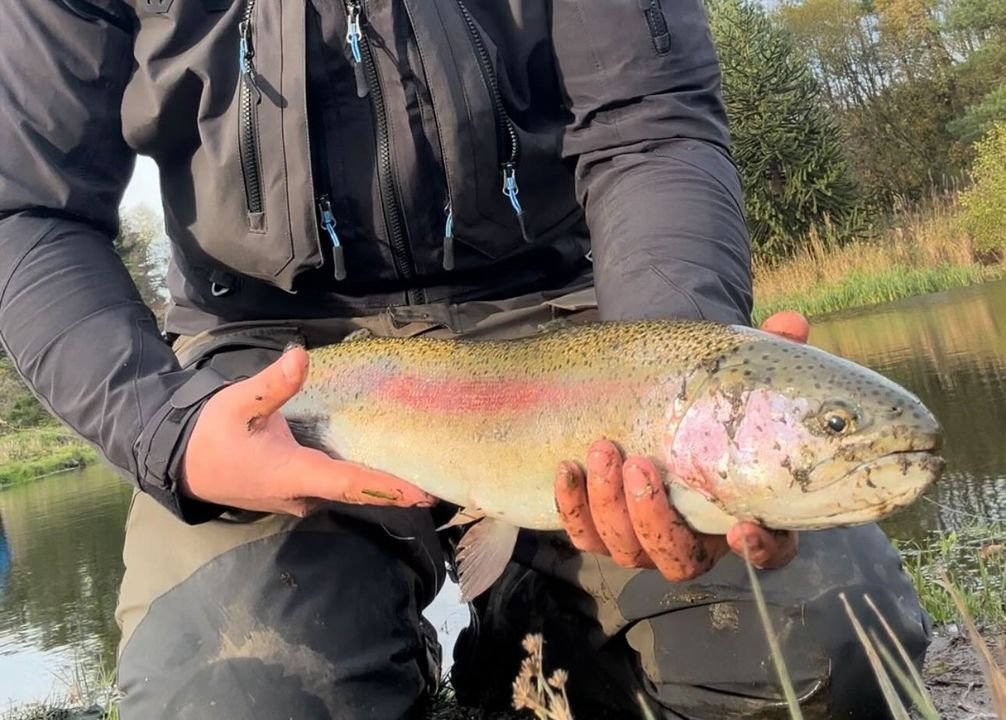
Nice late November rainbow for Connor on a Shimmer Worm.
⏰ 4. When Is the Best Time to Fish?
Choosing the right time of day can make a difference during winter.
Target the Middle of the Day
As a general starting point, I’d suggest trying between 10am and 3pm. The water may warm slightly during this period, encouraging trout to become more active.
Early mornings can still produce fish, particularly when using intermediate lines or slowly fished lures, but don’t overlook the potential of the lunchtime period.
Watch the Weather
Changes in temperature, wind direction and sunshine can all influence where trout are holding and feeding.
A little sunshine can make a difference, particularly around sheltered margins and areas that receive direct sunlight.
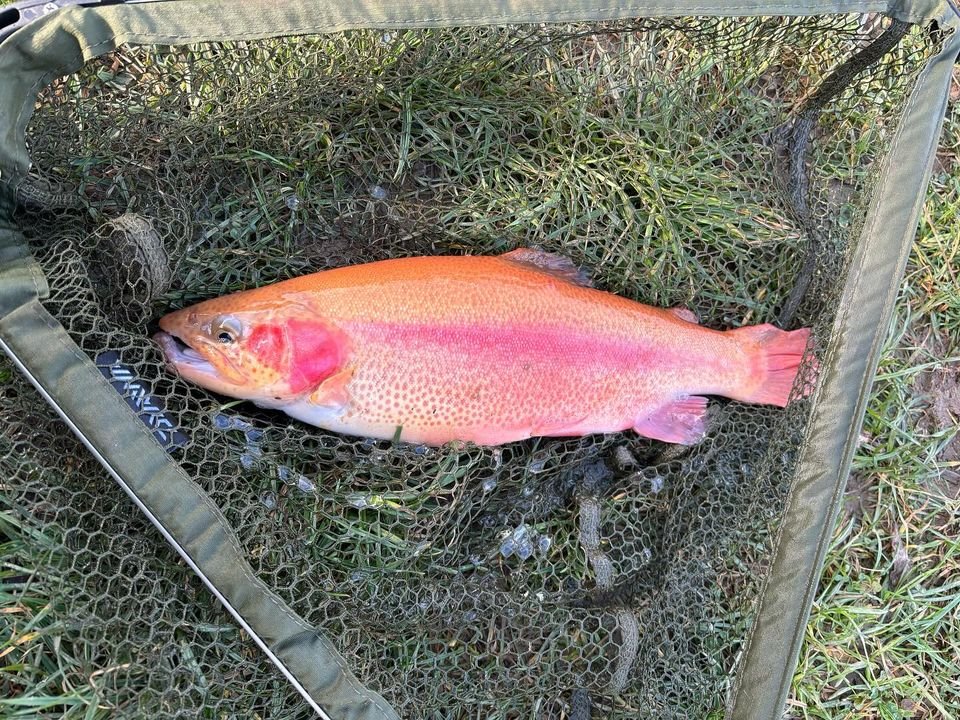
“Lovely deep Golden Trout” caught on an Egg fly early December last year.
🎯 5. Where Are the Trout Holding?
This is where a little experimentation comes into play.
Fish Deeper and Slower
During colder weather, trout often shoal in deeper areas where water temperatures are more stable.
Look for:
- Deeper sections of the fishery.
- Drop-offs and changes in depth.
- Sheltered areas.
- Margins that receive some winter sunshine.
Slow your retrieve down and remember that winter takes can be incredibly gentle. If something feels slightly different during your retrieve, don’t automatically assume it’s weed. It could be a trout!
Don’t Forget to Fish Higher!
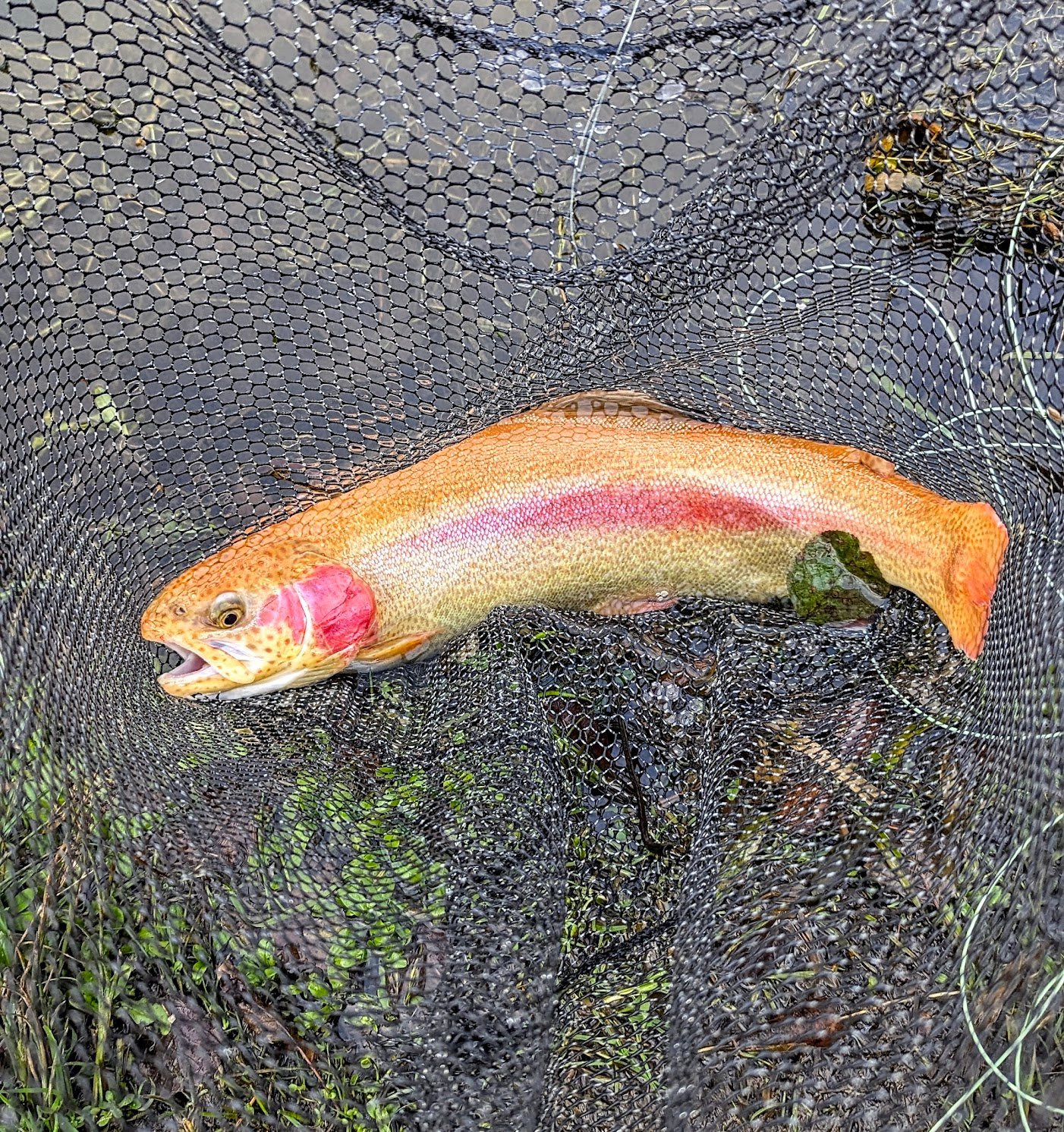
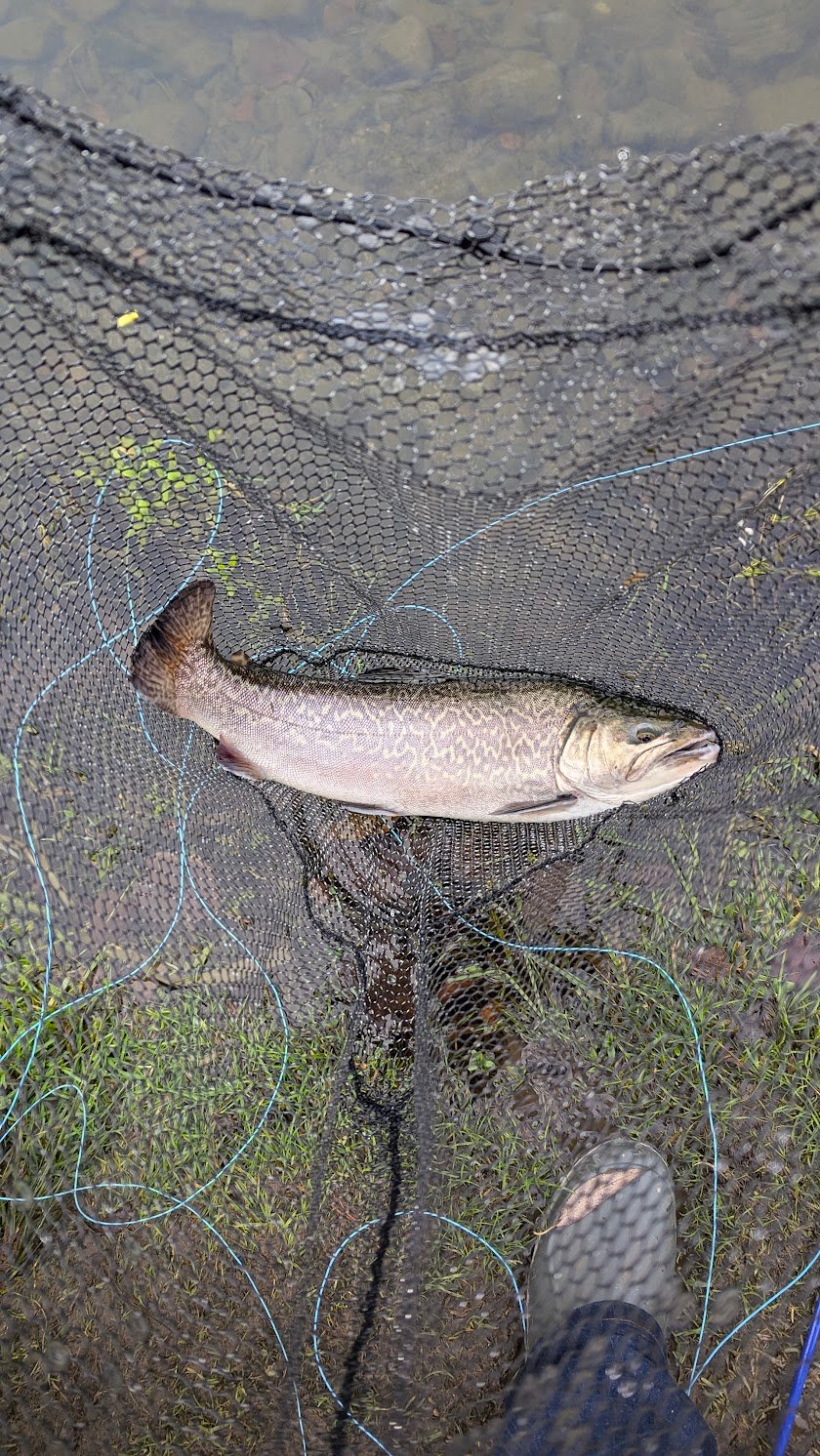
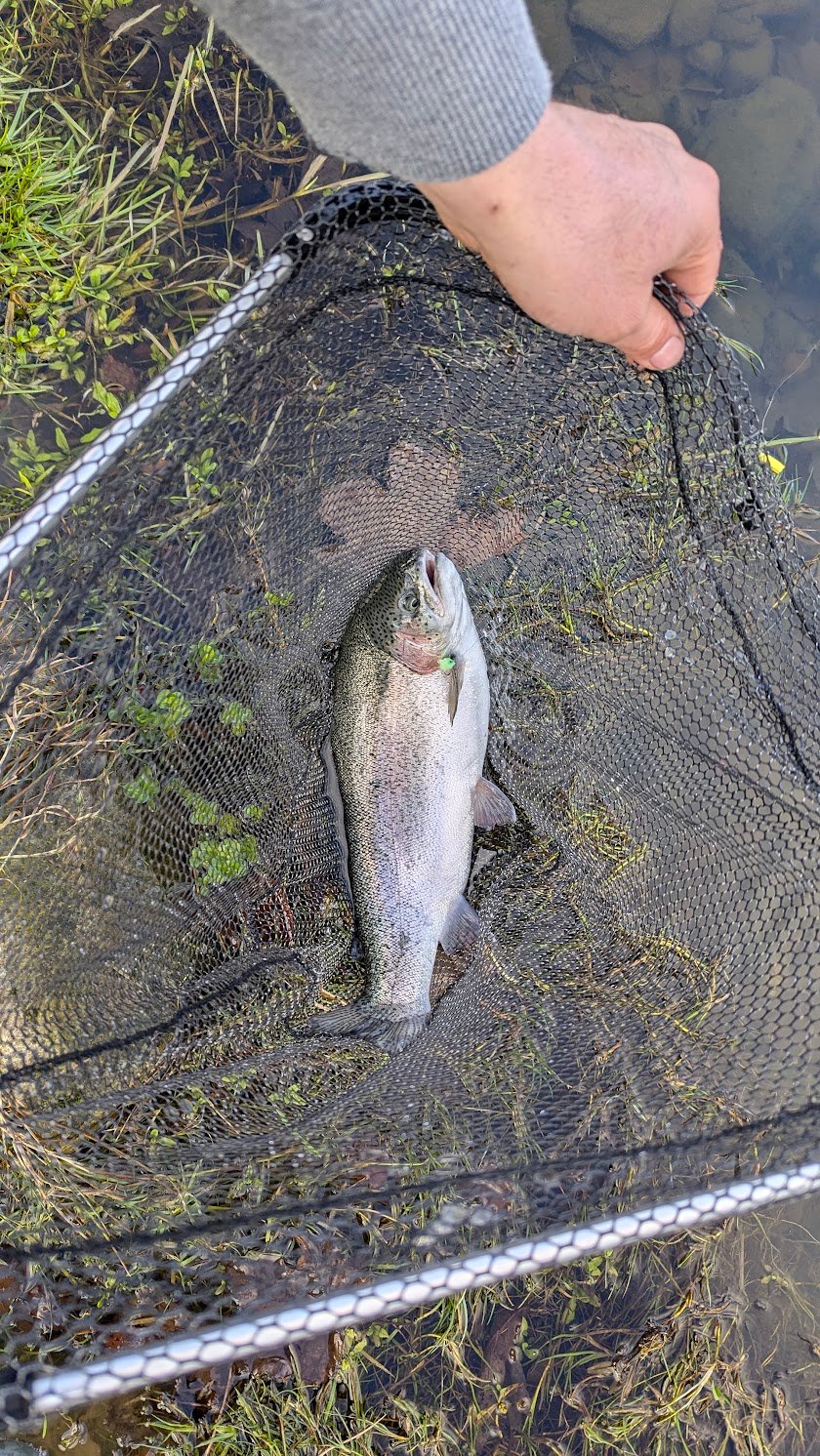
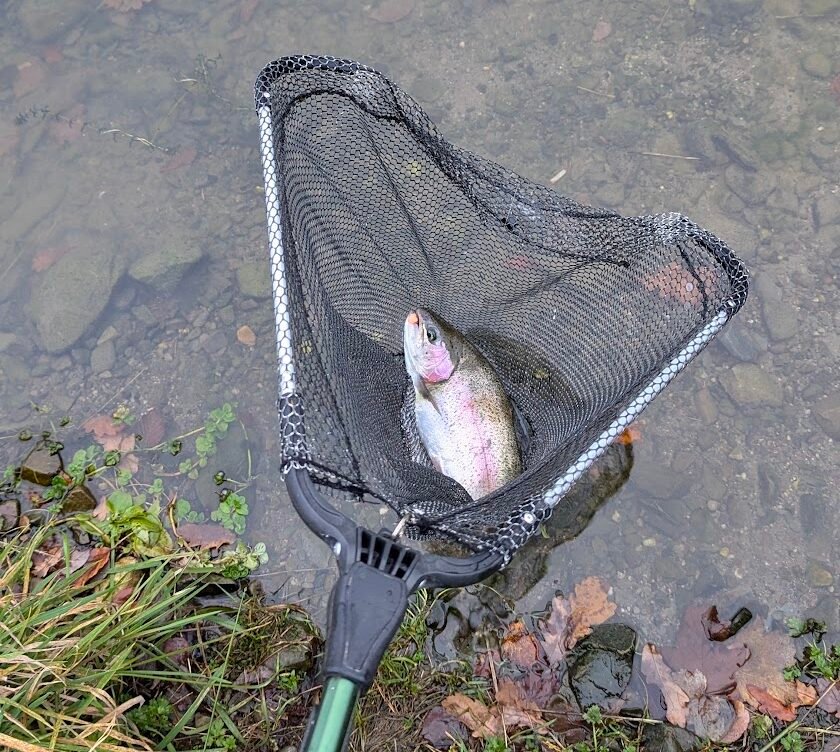
🎣 All the trout pictured above, including some cracking fish, were caught on egg flies during a freezing cold day last January. Some were taken right on the bottom, while others fell for an egg fly fished around 2 feet beneath the bung. Just goes to show that even on the coldest days, getting your depth right can make all the difference!
6. Davie’s Egg Fly Tips
Don’t Overlook the Eggs!
If there’s one thing I’d recommend having in your fly box during the winter months, it’s a good selection of egg flies!
We’ve had some fantastic results using egg patterns during the colder months, even when the weather has been absolutely freezing.
One thing worth remembering is not to get stuck fishing them at just one depth. We’ve caught some lovely trout fishing egg flies right along the bottom, but we’ve also had great success fishing them approximately 2 feet beneath a bung.
My advice is to experiment with colours and depth.
Don’t just stick to one colour because it’s worked for you before. Try different shades, including brighter colours, and see what the trout are responding to on the day.
If you’re fishing under a bung, give the fly plenty of time to sit naturally and keep a close eye on your indicator. If you’re fishing on the bottom, make sure your fly is getting down into the feeding zone.
As the photograph above shows, some cracking trout can still be caught on egg flies, even on the coldest winter days!
A little tip from Davie: If you’re struggling to get interest from your usual winter patterns, tie on an egg fly and give it a go. You might be surprised at the results!
This is one of the most important things I’d like you to take away from this guide.
Although trout can often be found in deeper water during colder weather, they certainly don’t spend all their time near the bottom.
Even on the coldest winter days, trout can be feeding surprisingly high in the water. You might see fish rising or showing near the surface, so don’t ignore what’s happening in front of you.
If you’re fishing deep without getting any interest, try moving your flies higher up in the water column.
Experiment with different depths using a floating line, washing line or bung setup.
Sometimes the fish are much higher than you think!
My advice is simple: don’t get stuck fishing at one depth. Keep experimenting until you find where the trout are feeding.
👍 7. A Few Extra Tips From Davie
A little preparation can make your winter fishing trip much more enjoyable.
- Check fishery reports: Keep an eye on local fishery websites and Facebook pages for stocking updates and recent catches.
- Experiment with depth: Before changing every fly in your box, try fishing at a different depth.
- Slow things down: Fast retrieves aren’t always the answer during winter.
- Watch for signs of feeding fish: Look for rises, surface activity and fish showing in the water.
- Dress for the weather: Warm clothing, gloves and waterproofs will make your day much more comfortable.
- Be patient: Winter fishing can require a little more perseverance, but the rewards are worth it.
🎣 A Final Word From Davie at Granite City Fishing
I hope you’ve found this guide useful, especially if you’re just starting out with winter stillwater fly fishing.
If there’s one thing I’d like you to remember, it’s this: don’t automatically assume the trout are sitting on the bottom just because it’s cold!
Experiment with your depth, slow your retrieve down and pay attention to what the fish are doing. Sometimes the smallest change can make all the difference.
Most importantly, enjoy your time on the water. That’s what fishing is all about!
If you’ve got any winter fishing tips, favourite patterns or techniques of your own, I’d love to hear about them. Feel free to get in touch or share your thoughts with us.
Thanks for reading, and as always…
Tight lines and happy fishing!
Davie Whyte
Granite City Fishing
🎣 Looking for winter flies?
Why not have a look through the Granite City Fishing range? All our flies are hand tied in Scotland, with quality patterns in stock and ready to ship.
🌐 https://www.granitecityfishing.co.uk/
🎣If you’r still not sure which flies to use during the winter months? Don’t worry, we’ve got you covered! Why not let us choose the flies for you? At Granite City Fishing, we can put together a selection of patterns to suit winter stillwater fishing, taking the guesswork out of choosing your flies.
Have a look at our Let Us Pick Your Flies option on the website and let us do the choosing for you!
🌐 https://www.granitecityfishing.co.uk/shop/let-us-pick-your-flies/
Hand tied. Hand selected. Never compromised.