July – Stillwater Fly Selection
July stillwater fishing in the UK is often shaped by warm water temperatures, settled weather, and an increasing reliance on opportunistic food sources.
More recently with the weather going crazy more and more fisheries are closing in the hotter days especialy and they take action or restrict angling when surface or shallow temperatures consistently exceed 19°C–20°C (66°F–68°F), as trout metabolism plummets and stress/mortality risks surge
Terrestrial insects become a major part of the trout’s diet at this time of year. Beetles, ants, and particularly Daddy Long Legs can all provide excellent surface sport when conditions allow. These patterns are often most effective during breezy or overcast weather, or when terrestrials are blown onto the water from surrounding vegetation.
As summer progresses, fry will also be present on many stillwaters. Larger trout may begin to target these young fish, especially in shallow water and along margins. When this happens, fish can feed aggressively and selectively, making fry patterns an important option to have available.
Despite the summer conditions, midges and buzzers continue to hatch in significant numbers on stillwaters. Buzzer fishing can remain effective throughout July, particularly during calmer periods or when fish are feeding just below the surface rather than fully committing to dry flies.
Fish behaviour in July can vary considerably throughout the day. Early mornings and evenings often provide the most consistent feeding, while bright midday conditions may push fish deeper or into shaded areas.
Terrestrial insects become increasingly important as June progresses. Beetles are a common and reliable food source, often accounting for steady surface feeding, particularly during calm spells.
But we have found that Buzzers, lures, and Egg flies are still a great options, with buzzers and egg flies suspended under a bung/indactor still resulting in our best catches.
Recommended products
-
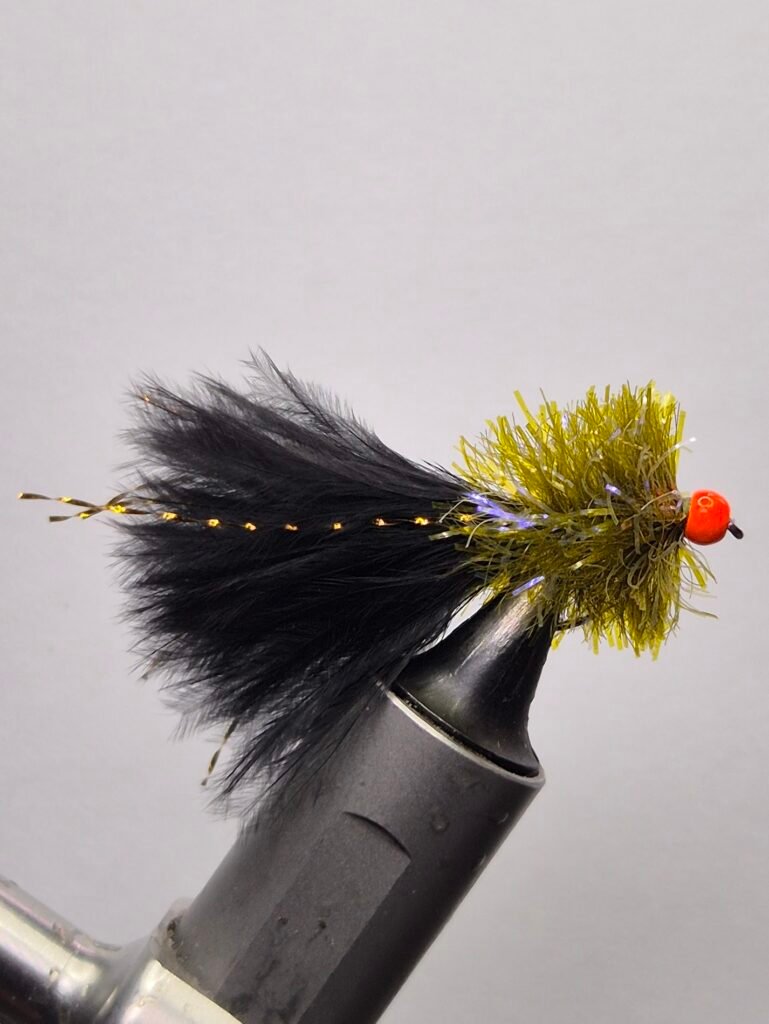
Ally McCoist Lure
£1.20 -
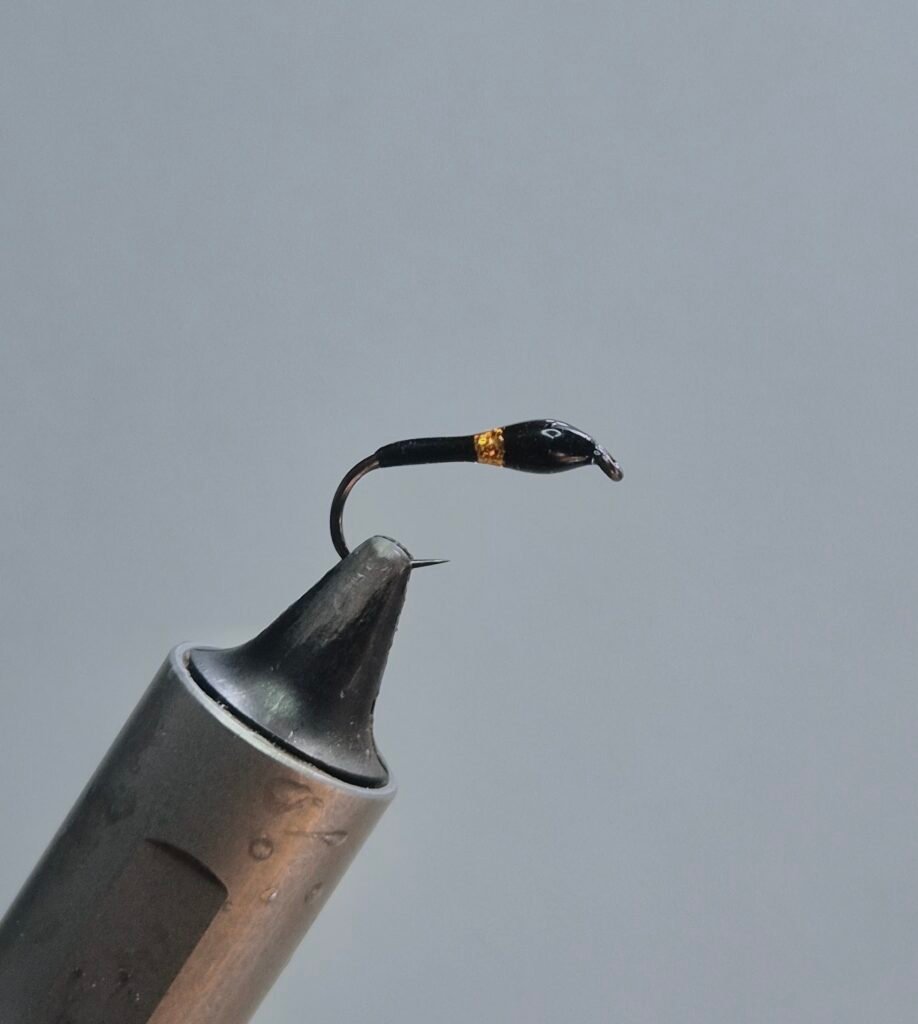
Gold Holographic Vicars Buzzer
£1.10 -
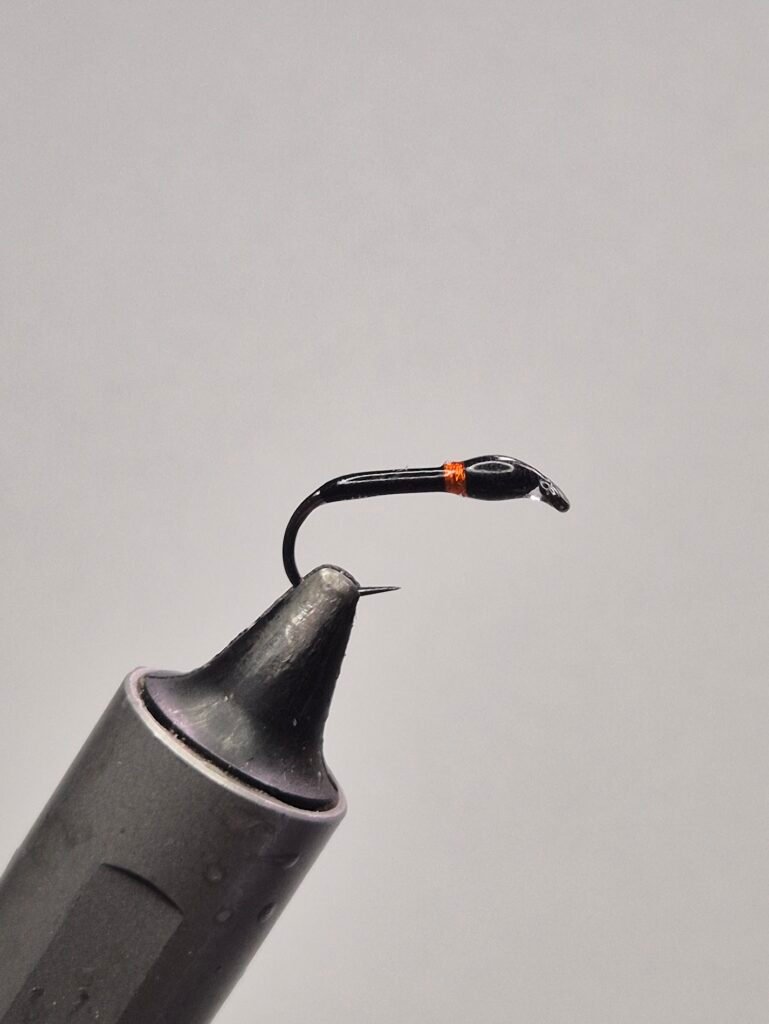
Orange Holographic Vicars Buzzer
£1.10 -
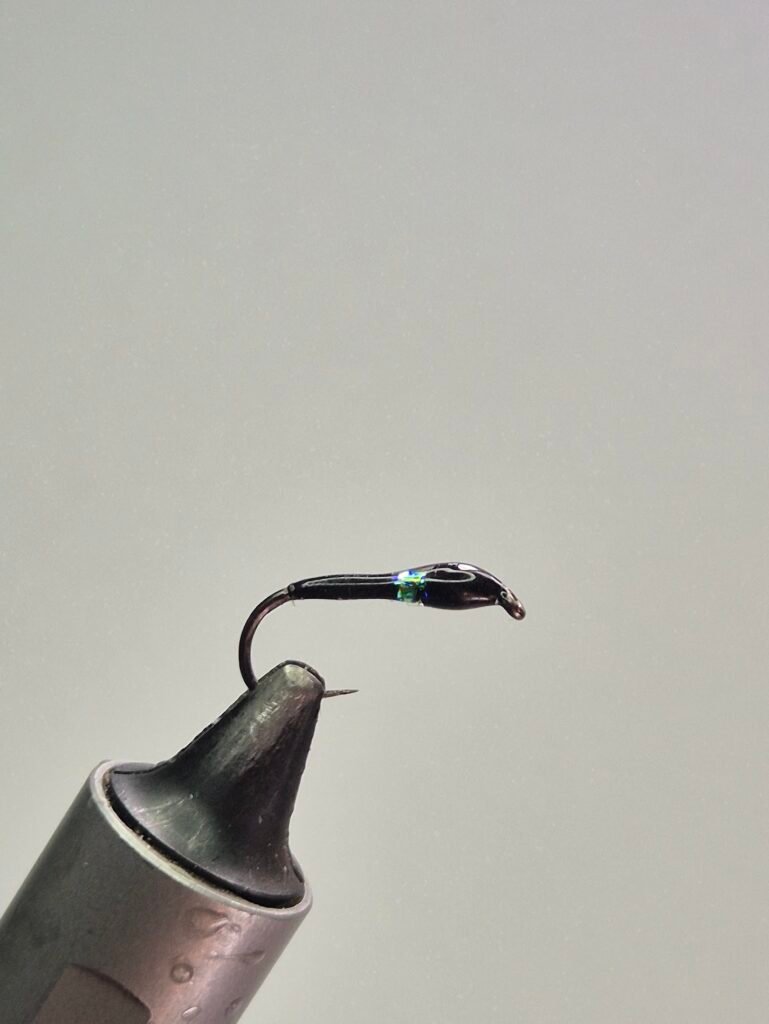
Green Holographic Vicars Buzzer
£1.10 -
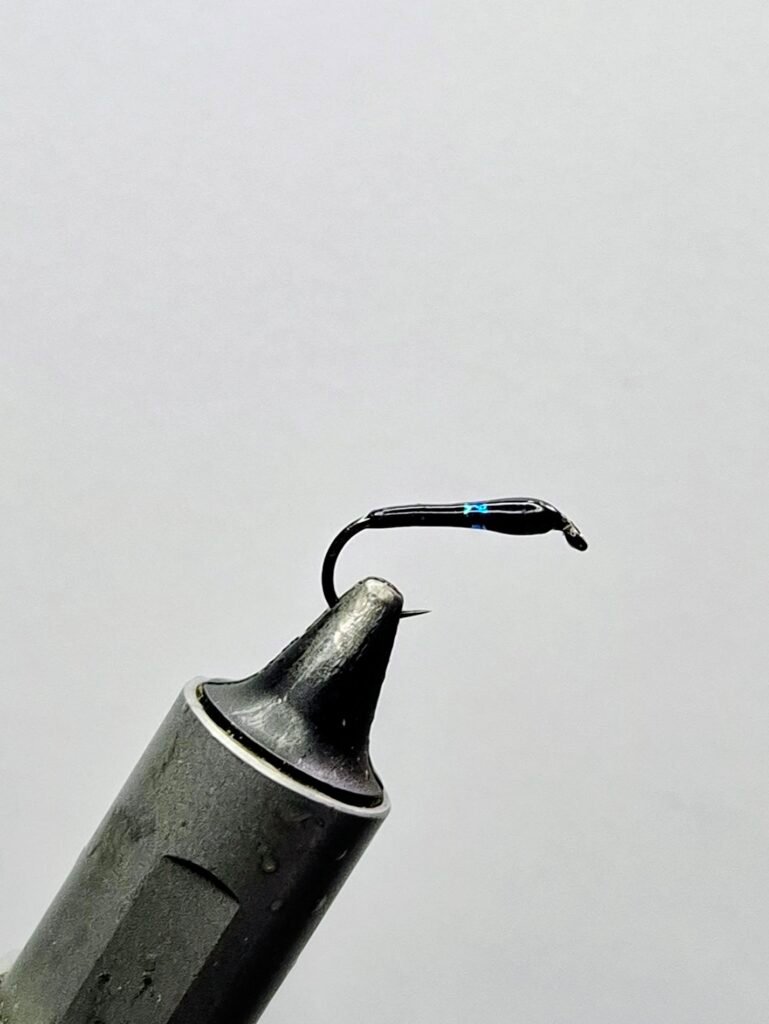
Blue holographic Vicars Buzzer
£1.10 -
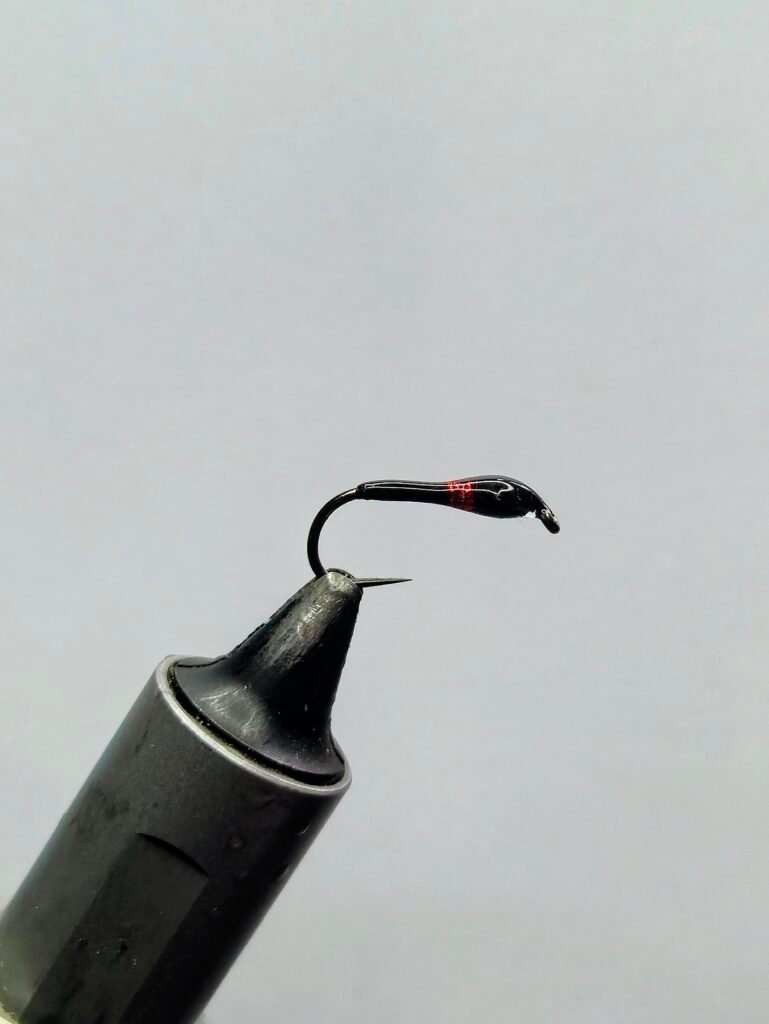
Red Vicars Buzzer
£1.10 -
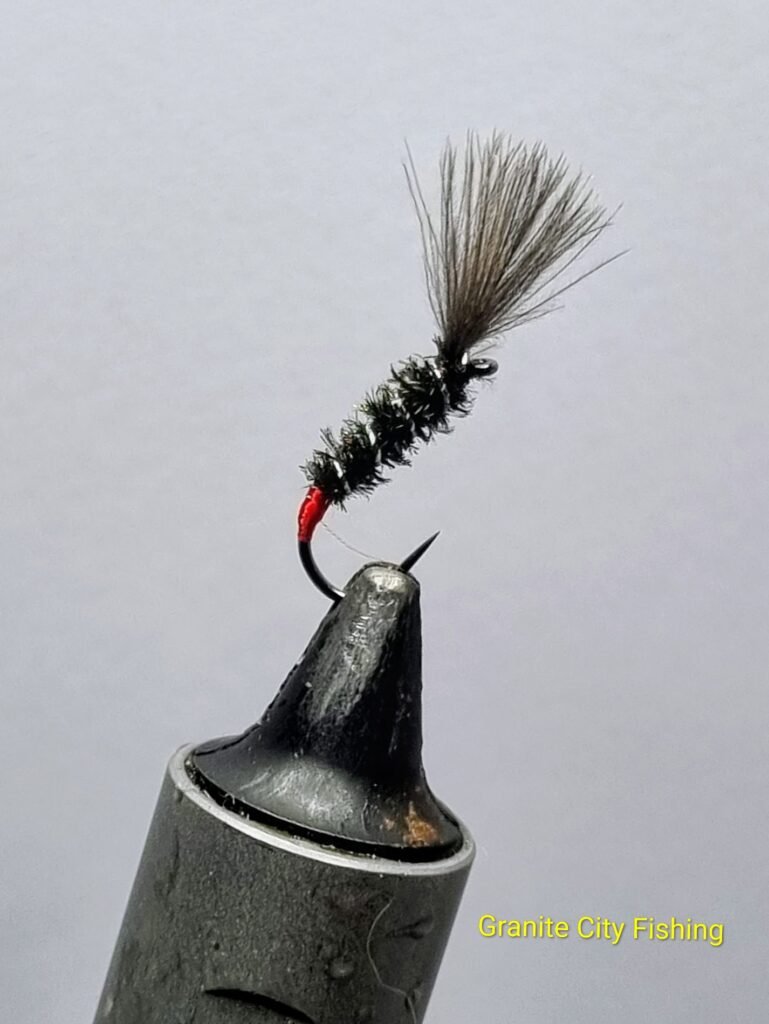
Black CDC Buzzer
£0.60 -
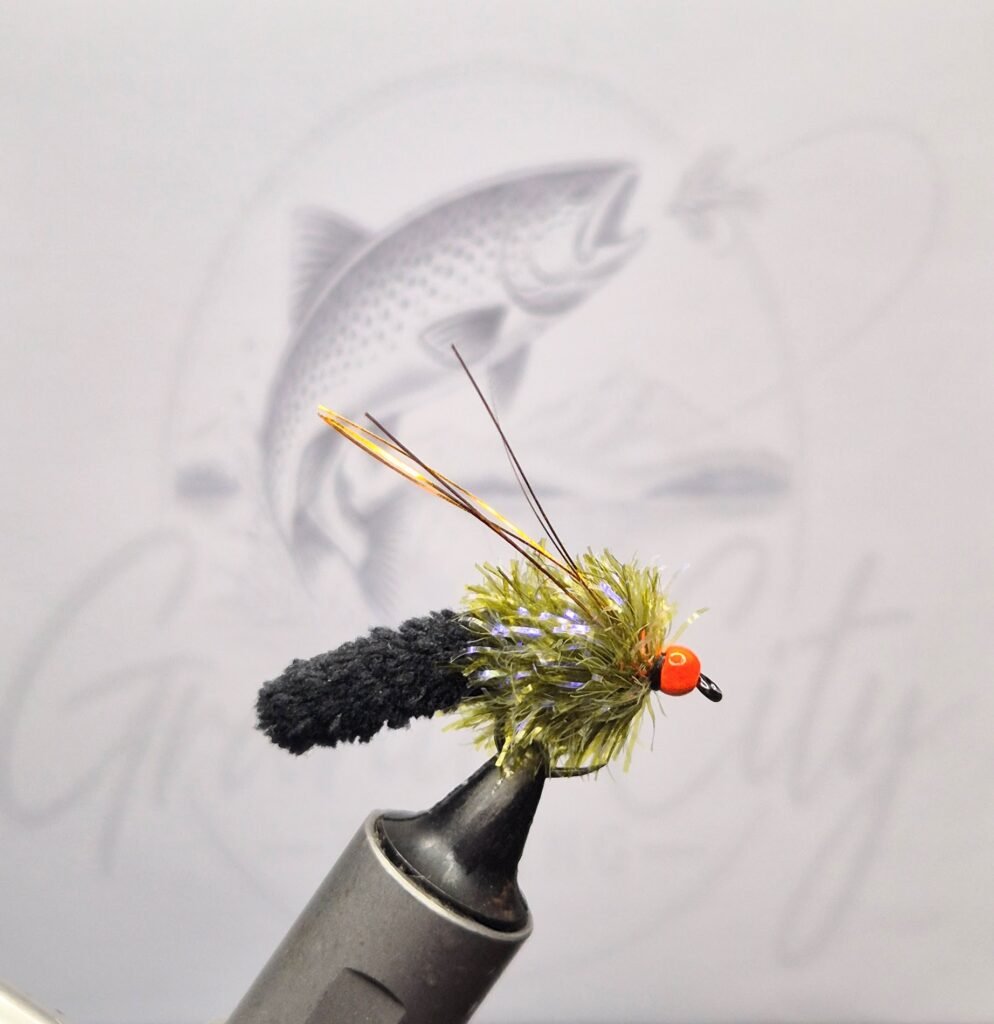
Ally Mop Fly – Barbless Trout Fly
£1.20
Recommended products
-
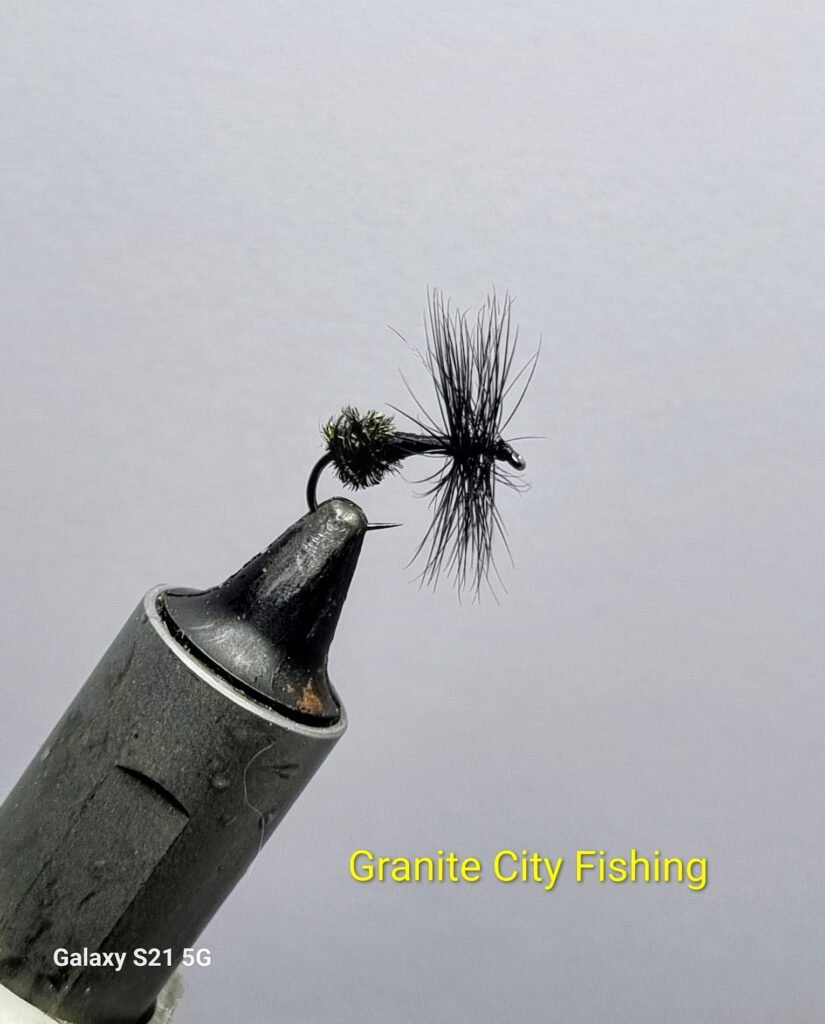
Black Ant Dry Fly
£0.60 -
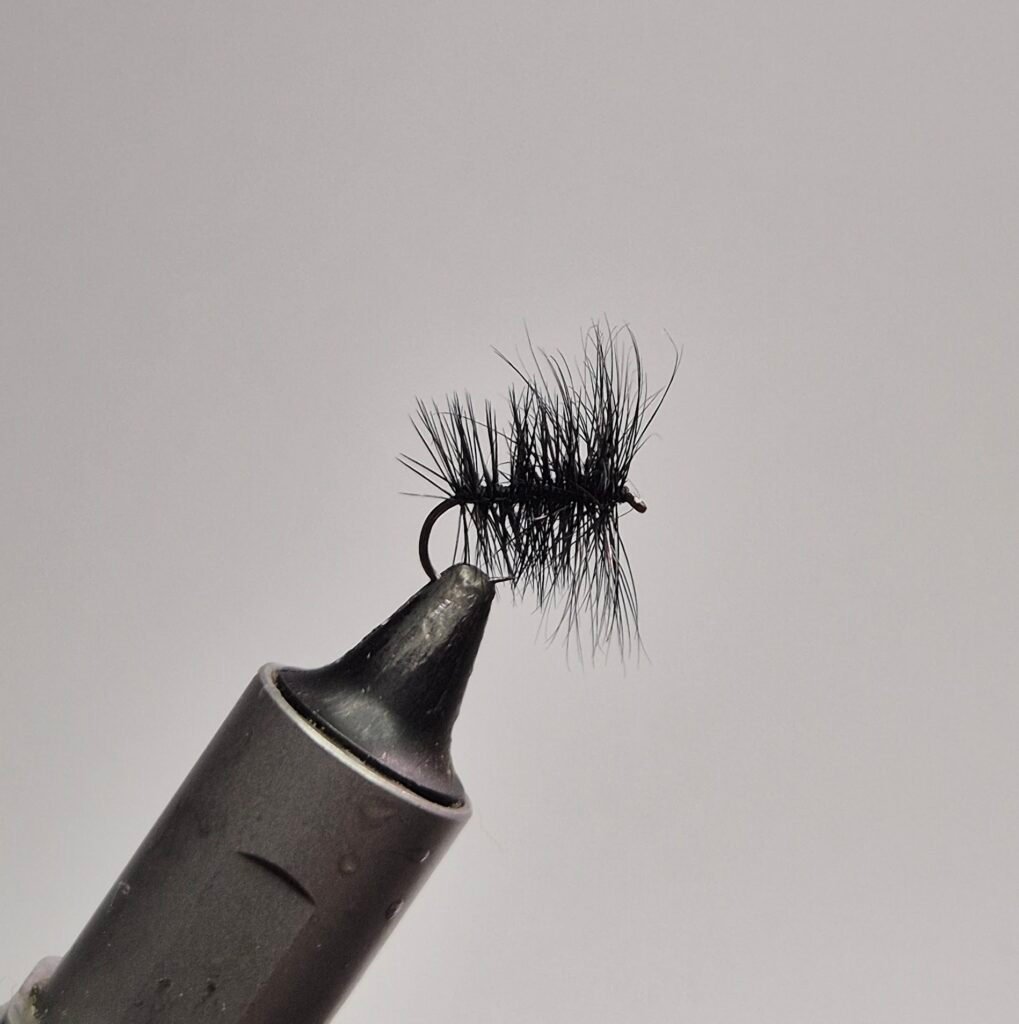
Black Gnat Dry Fly
£0.60 -
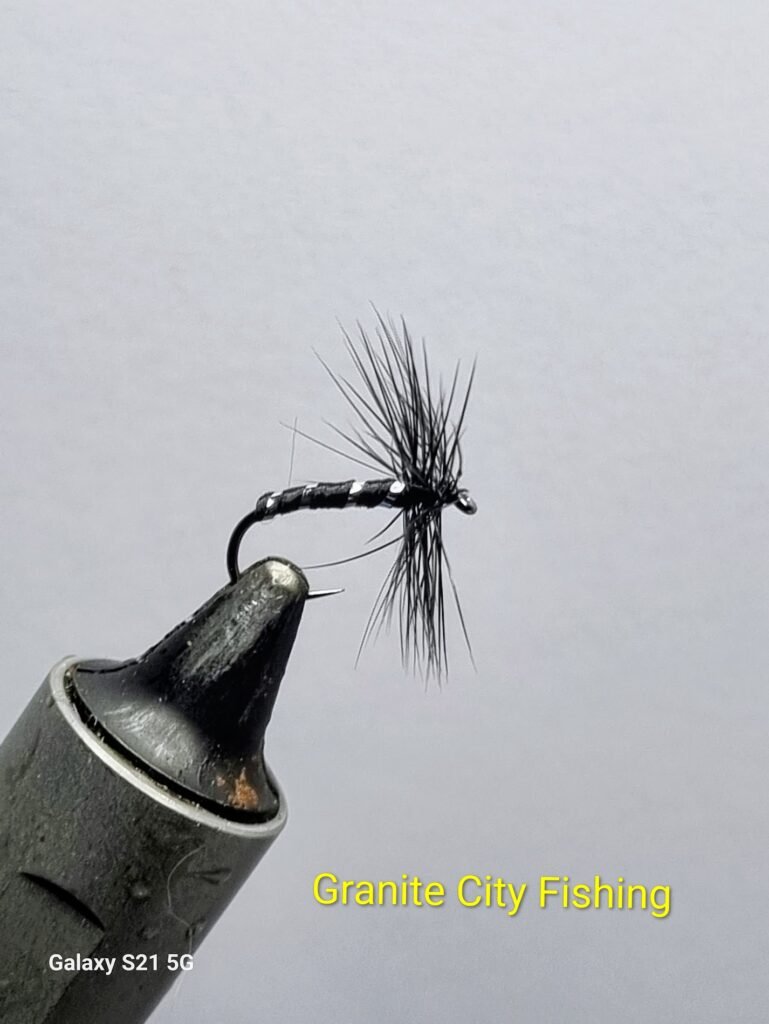
Black Midge Dry Fly
£0.60 -
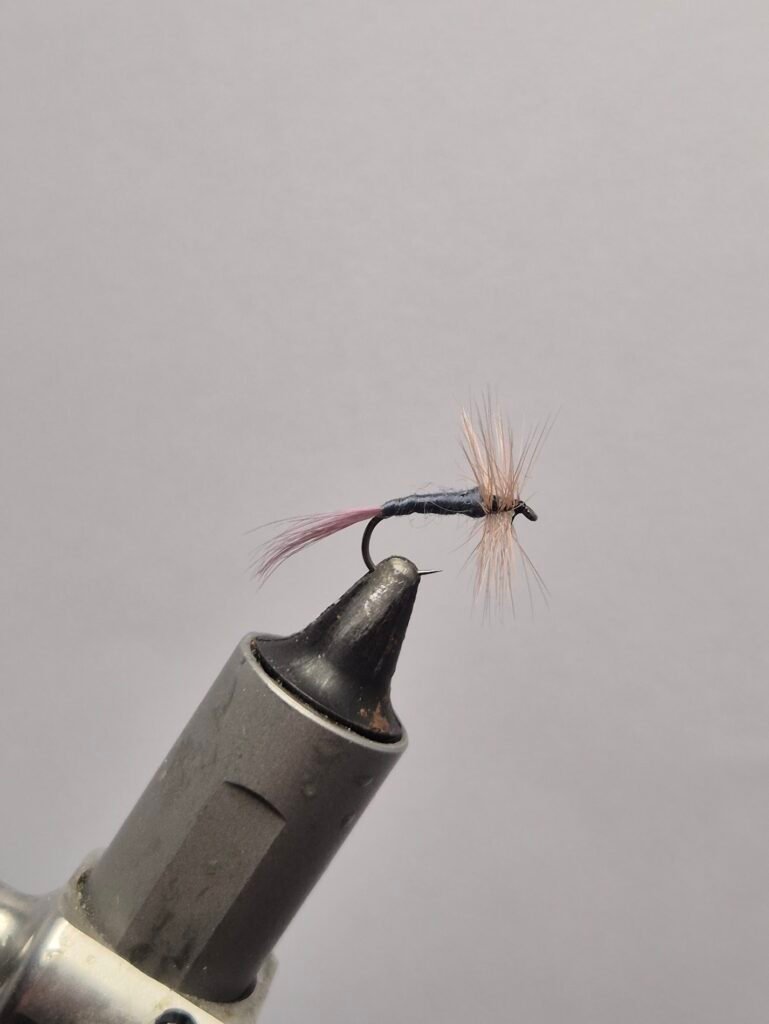
Blue Dun Dry Fly
£0.60 -
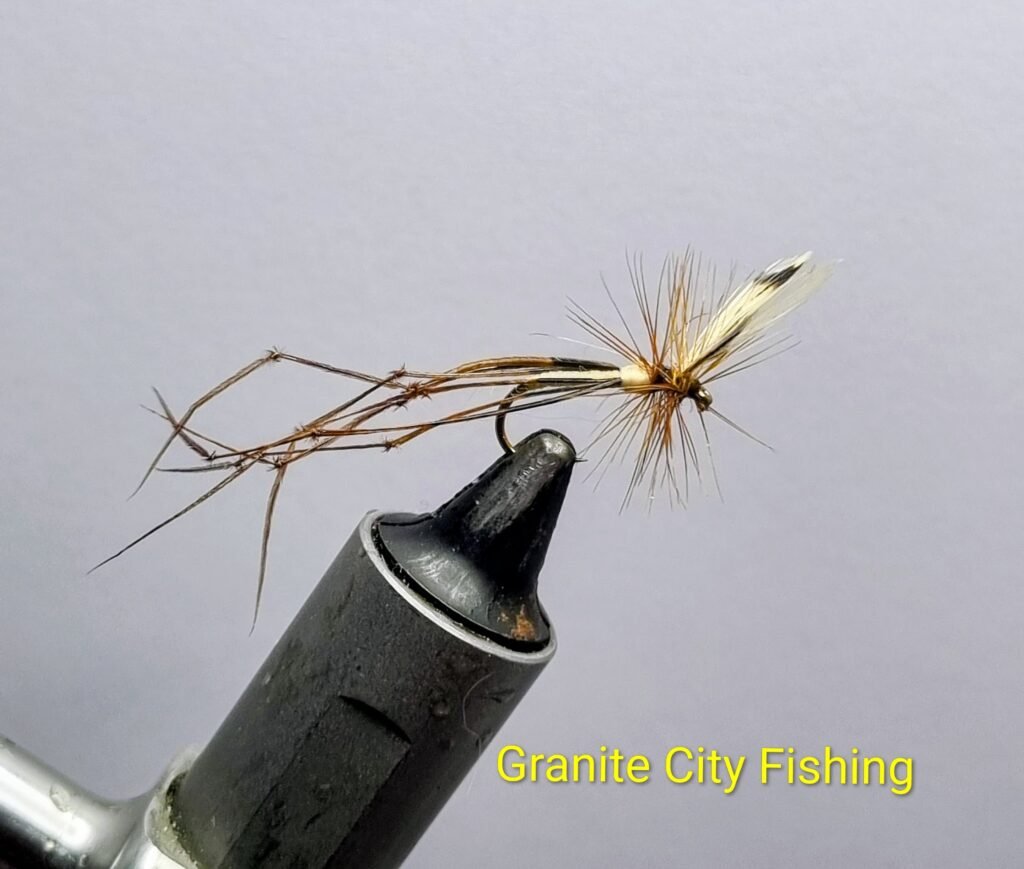
Daddy Muddler
£0.80 -
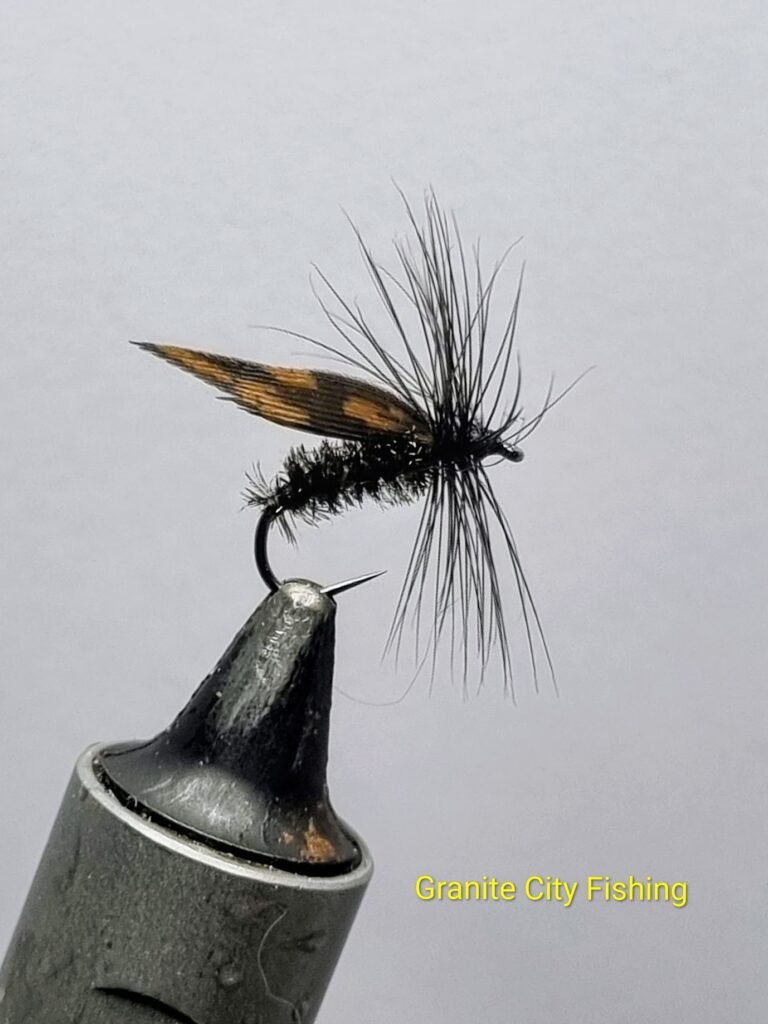
The Alder Fly
£0.60 -
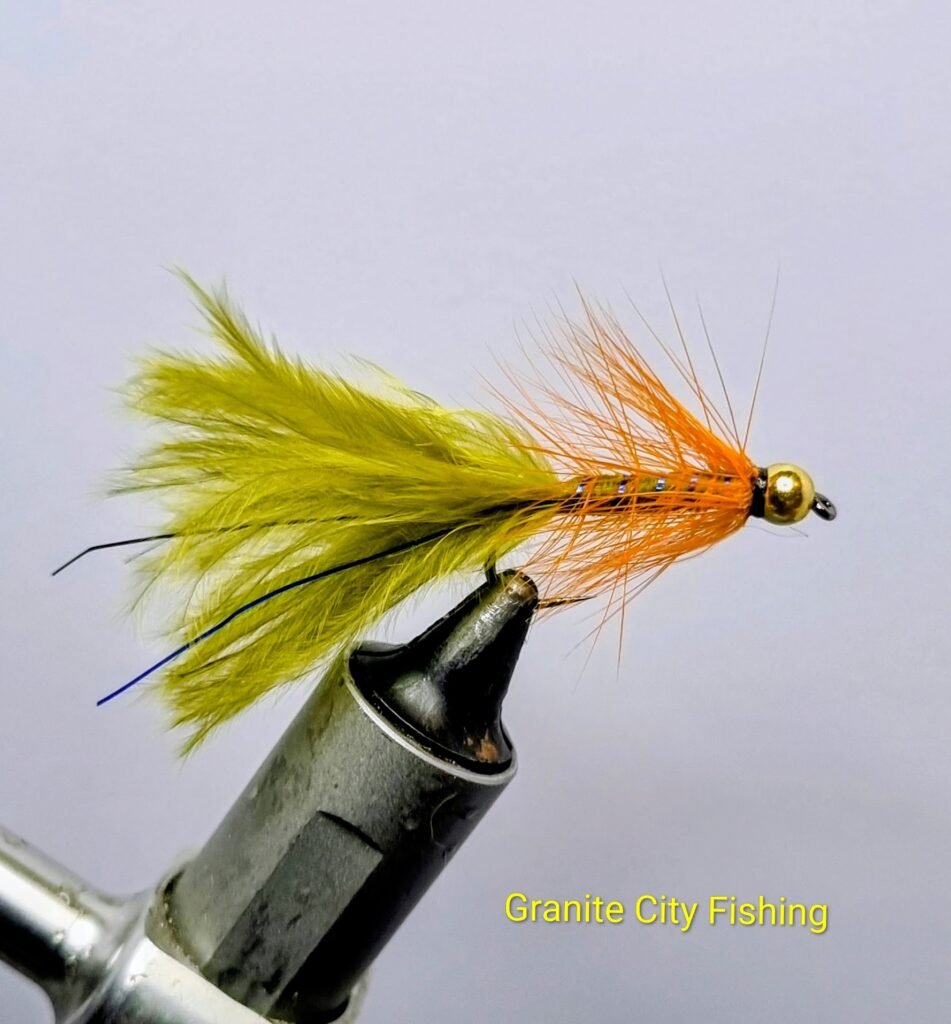
Damsel Fly Pearly
£1.10