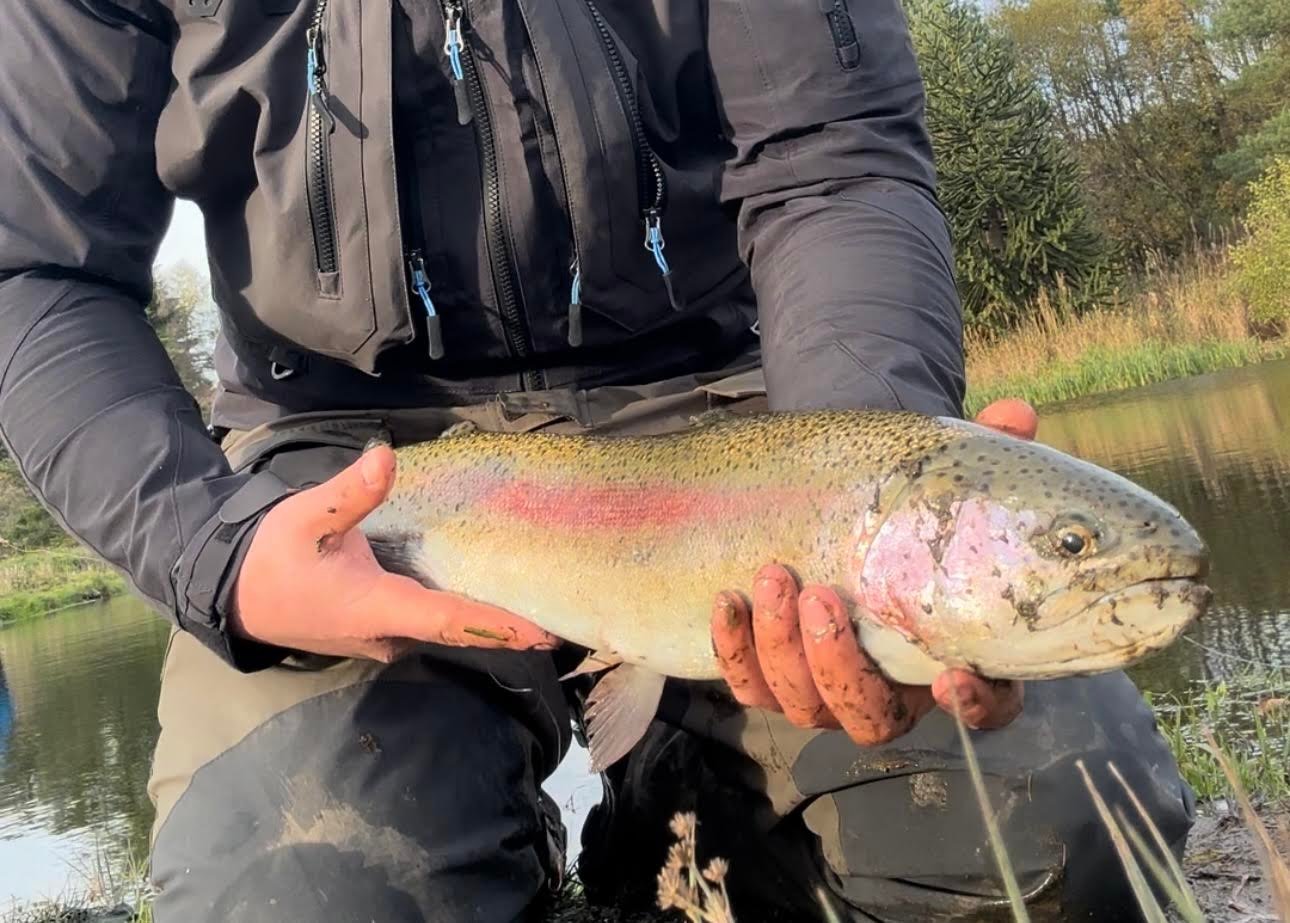
Stillwater dry fly fishing is an exciting method where you cast imitations of adult insects directly onto the surface of lakes and reservoirs. To master this, you need the right setup, targeted casting to moving fish, and careful leader degreasing.
1. Essential Gear & Setup
- Rod & Line: A 9 or 10-foot, 5-weight or 6-weight rod with a floating line is ideal for delicate presentations.
- Leaders: Use a tapered fluorocarbon leader (usually 8 to 10 feet) to help dissipate casting energy and turn over the fly gently.
- The Rig: You can fish a single dry fly, or up to 2–3 flies. Use droppers spaced about 4 to 5 feet apart and tie them using triple surgeon’s knots.
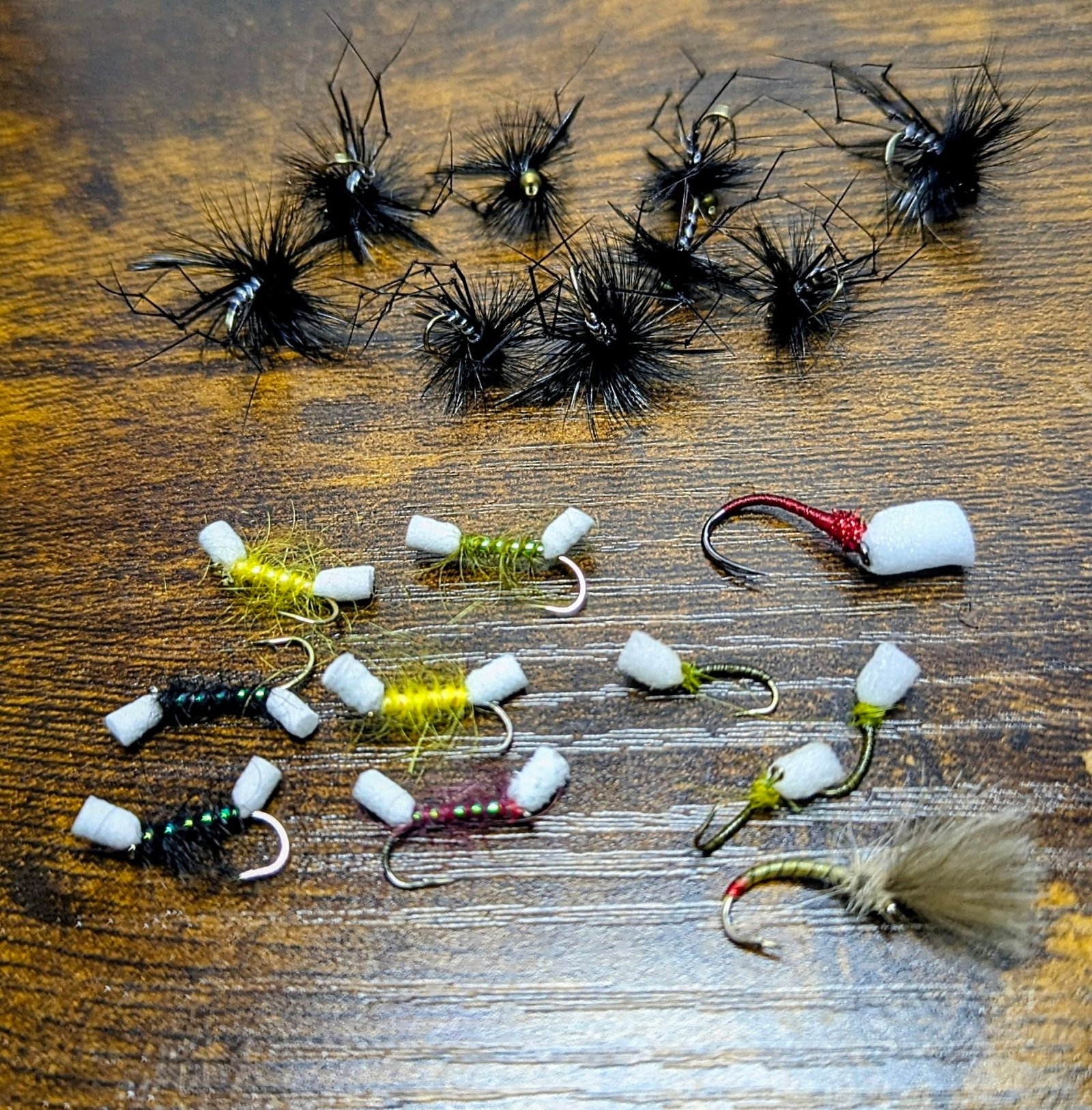
2. Leader Prep
A common reason for missed takes on stillwaters is the trout spotting your leader.
- Sink the Leader: Apply a degreasant like Fuller’s Earth to the first few feet of your leader near the fly to help it cut through the surface film.
- Float the Fly: Apply a minimal amount of floatant (such as Gink) to the back of your hand, and then lightly touch the fly to the back of your hand to avoid over-greasing it.
3. Techniques & Strategy
- Sight vs. Blind Casting: If fish are actively rising, note the direction they are swimming and cast ahead of their path. If there’s a light ripple or “wind lane,” fan-cast to likely areas and leave the flies sitting for 10–20 seconds.
- The Twitch: Occasionally giving the fly a tiny twitch and letting it sit again can entice nearby trout that aren’t actively looking at the surface.